Major League Baseball continues to evolve at a pace that feels both deliberate and transformative.
From rule adjustments to front-office innovation, the modern game is no longer defined solely by tradition, but by how quickly teams can adapt to new realities.
What once worked even five years ago may no longer be enough to stay competitive.
At the same time, the league is becoming more balanced, with emerging teams challenging established contenders and reshaping expectations.
Trends That Could Shape the 2026 MLB Season
In this blog, we will look at the key trends that could define the 2026 MLB season and influence how teams compete across the league.
Impact of Rule Changes on Gameplay
The rule changes introduced in recent seasons are no longer experimental. They are foundational to how baseball is played in 2026.
The pitch clock, larger bases, and shift restrictions have collectively altered both tempo and strategy, pushing teams to rethink long-standing approaches on both sides of the ball.
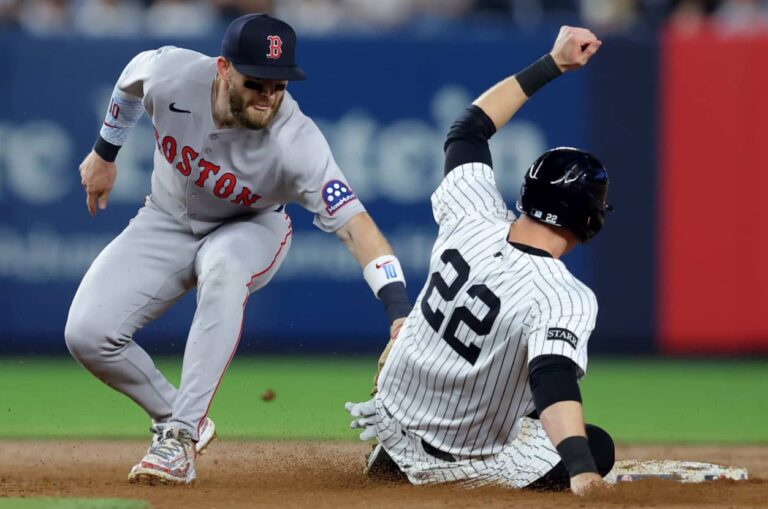
One of the clearest outcomes has been a resurgence in aggressive baserunning. Following these changes, stolen bases surged dramatically, with MLB reporting a 41% increase in successful steals during the 2023 season.
This wasn’t just a statistical anomaly; it signaled a broader philosophical shift, where speed and situational awareness regained importance after years of being overshadowed by power hitting.
Teams like the Cincinnati Reds and Arizona Diamondbacks have leaned into this trend by prioritizing athletic, versatile players who can pressure defenses.
In 2026, this emphasis continues to shape roster construction, as clubs recognize that manufacturing runs can be just as valuable as waiting for extra-base hits, especially in tightly contested games.
Youth Movement and the Rise of Homegrown Talent
The 2026 MLB season is also being shaped by a strong wave of young, homegrown talent making immediate impacts at the major league level.
Organizations are increasingly trusting their farm systems, not just to fill roster gaps but to serve as the foundation of long-term competitiveness.
The Baltimore Orioles provide a compelling example of this approach. After years of rebuilding, their investment in player development has paid off with a core of young stars who can contribute across multiple facets of the game.
Rather than relying heavily on free agency, the Orioles have built a roster that is both cost-effective and sustainable, allowing them to remain competitive while maintaining financial flexibility.
This trend is not limited to one or two teams. Across the league, prospects are arriving better prepared than ever, thanks to advancements in training, analytics, and coaching.
The gap between minor league development and major league readiness continues to shrink, making it more viable for teams to integrate young players into key roles without lengthy adjustment periods.
Long-Term Team Building
While young talent is a major factor, the broader trend lies in how teams are thinking beyond a single season.
Long-term planning has become a defining characteristic of successful organizations, with front offices placing greater emphasis on sustainability.
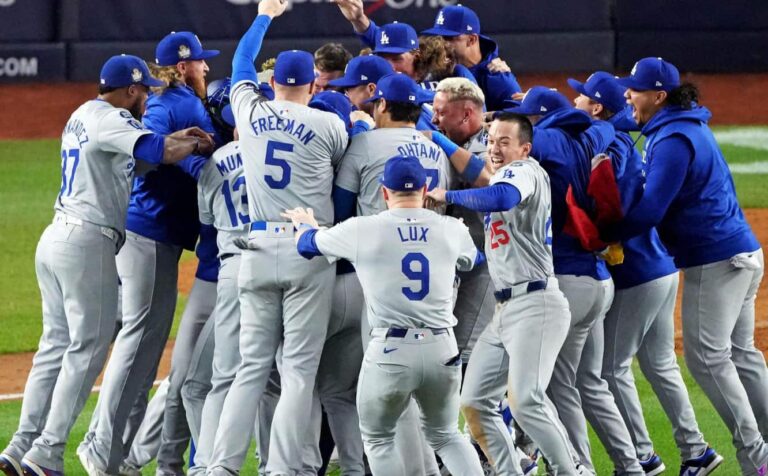
Teams like the Atlanta Braves and Los Angeles Dodgers have set the standard in this regard by locking in core players through long-term contracts while continuously replenishing their farm systems.
This dual approach allows them to remain competitive year after year without the volatility that often comes with aggressive free-agent spending.
These long-term projections are also reflected in how the wider baseball ecosystem evaluates teams over extended periods.
Analysts, media, and fans increasingly look beyond immediate results to assess where teams are headed. For example, baseball futures when assessed against game lines can offer a snapshot of how expectations evolve in the short- and long-term.
This reflects the growing importance of forecasting performance based on depth, consistency, and organizational strategy rather than short bursts of success.
The Growing Role of Advanced Analytics in Decision-Making
MLB analytics and insights have been part of baseball for years, but their influence in 2026 is deeper and more integrated than ever before.
What was once limited to front-office analysis has now become a central component of in-game decision-making, player development, and even scouting.
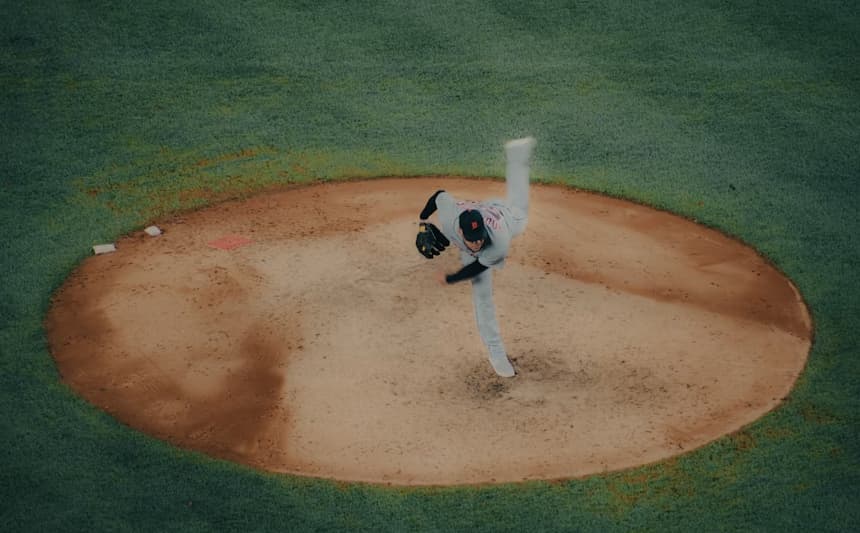
Pitch design is one area where this impact is especially visible. Teams are using high-speed cameras and motion tracking to refine pitch movement, helping pitchers maximize velocity and deception.
This has led to the emergence of highly specialized arsenals, where even mid-rotation pitchers can dominate lineups by exploiting specific weaknesses.
On the offensive side, hitters are adjusting their approaches based on detailed data about opposing pitchers.
Instead of relying purely on instinct, players now enter each at-bat with a clear understanding of pitch tendencies, spin rates, and situational probabilities.
This level of preparation is narrowing the margin for error and elevating the overall quality of play.
Pitching Depth Becoming the Ultimate Competitive Edge
If there is one area where the demands of the modern game are most evident, it is pitching. The increasing frequency of injuries and the need to manage workloads have made depth a critical factor in determining a team’s success over a full season.
Gone are the days when a strong starting rotation alone could carry a team. In 2026, successful clubs are those that can rely on a deep pool of pitchers capable of stepping into various roles.
This includes swingmen who can transition between starting and relief duties, as well as bullpens built around flexibility rather than fixed roles.
The Tampa Bay Rays have long been pioneers in this approach, often deploying unconventional strategies such as opener games and bullpen-heavy matchups.
Their ability to maximize the effectiveness of each pitcher, regardless of role, has allowed them to remain competitive despite operating with fewer resources than some larger-market teams.
This emphasis on depth also extends to player health and recovery. Teams are investing more in sports science and load management, recognizing that preserving pitching arms over the course of 162 games is essential.
What These Trends Mean for the Season Ahead
These trends highlight a league that is both evolving and stabilizing in new ways.
Rule changes have reshaped gameplay, young talent is redefining team identities, and long-term planning is becoming the cornerstone of sustained success.
At the same time, advancements in analytics and the growing importance of depth are raising the standard for what it takes to compete at the highest level.
As the 2026 season unfolds, these factors will continue to influence how teams approach every aspect of the game.
For fans, this means a more dynamic and competitive experience, where no outcome feels predetermined, and every series carries significance.
About the Author