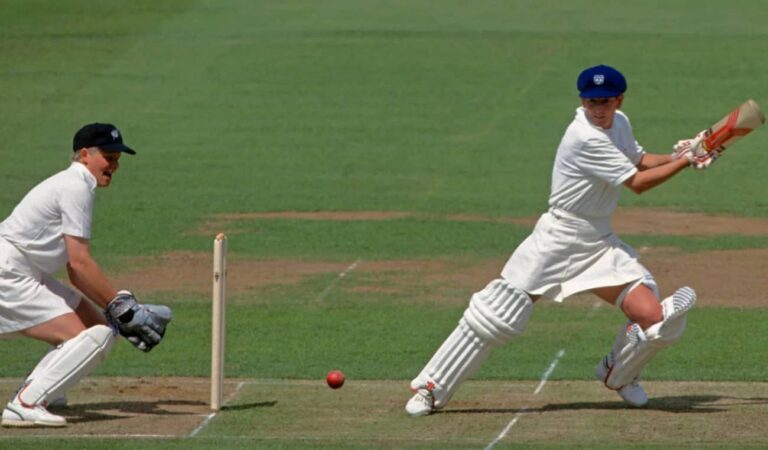
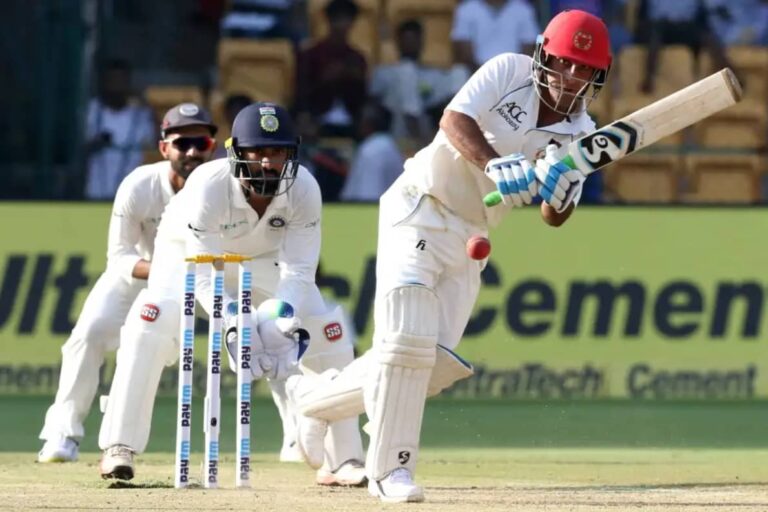
Cricket grounds come in all sizes. Some stadiums pack 100,000 fans and have massive boundaries.
Others keep things tight and cozy. The smallest cricket grounds in the world prove you don’t need huge spaces to host great matches.
Short boundaries make for exciting cricket. Batsmen can clear the ropes easier. Bowlers need smart plans.
Fans sit closer to the action. Let’s look at which grounds top the list for smallest boundaries and lowest capacity.
Smallest Cricket Ground in the World By Boundary and By Capacity
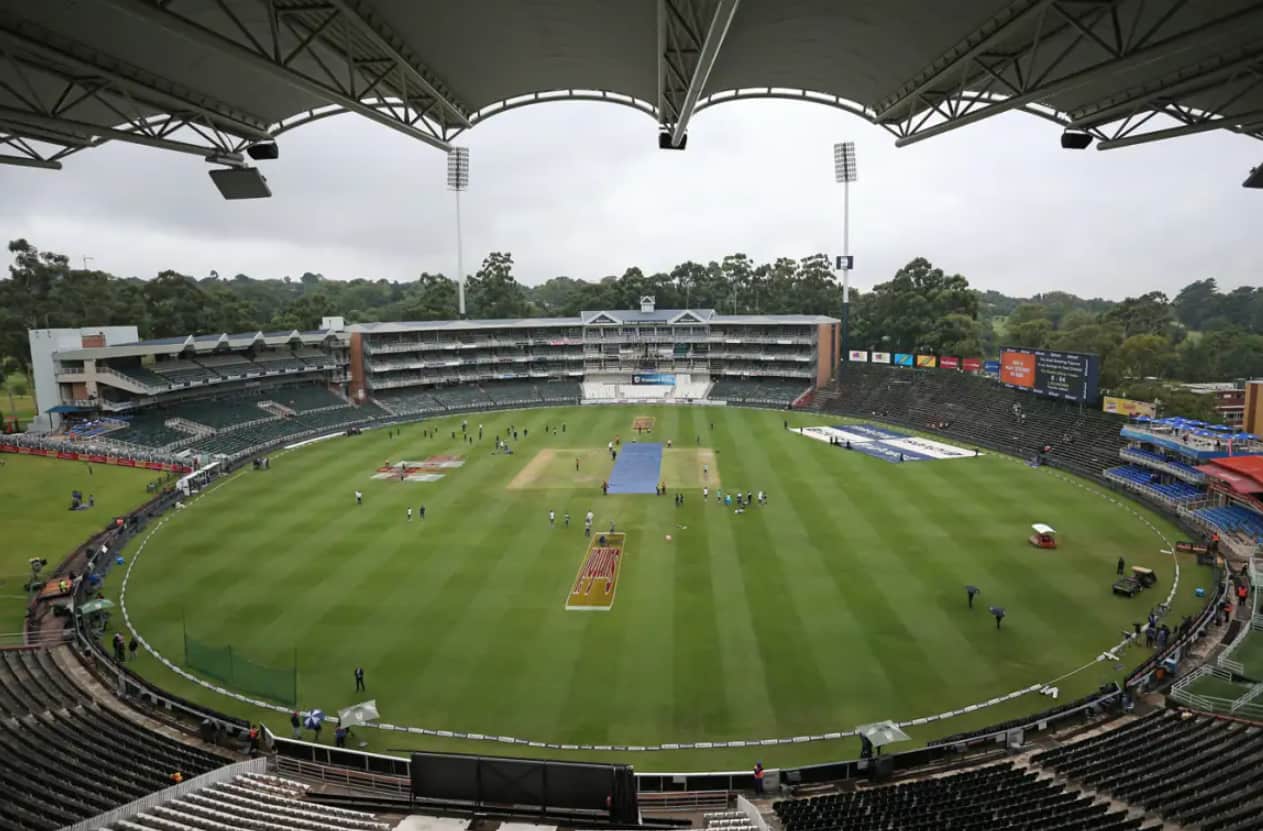
Which Cricket Ground Has the Shortest Boundary?
Eden Park in Auckland holds the record. The straight boundary measures just 55 metres.
That’s tiny for international cricket. Australia and New Zealand both smashed past 240 runs in a T20I here back in 2018.
The short boundaries turn Eden Park into a batter’s dream. Anything in the slot can sail over the rope.
Bowlers hate it. But fans love the constant action and big hitting.
Top Cricket Grounds With Smallest Boundaries
Eden Park, Auckland
This ground sits at the top for a reason. That 55-metre straight boundary is the shortest you’ll find anywhere.
New Zealand plays plenty of limited-overs matches here.
The venue works better for white-ball cricket. Test matches don’t happen often.
When both teams are scoring 240+ in T20 games, you know the dimensions favour batters heavily.
The Wanderers, Johannesburg
The Wanderers has one square boundary measuring just 64 metres. This stadium saw both South Africa and Australia pass 400 runs in the same ODI back in 2006. That match still gets talked about today.
Short square boundaries create different challenges. Batters can target specific areas. Bowlers need to adjust their lines. The Wanderers proves small dimensions don’t stop big moments.
Lord’s, London
Lord’s is cricket’s home ground. But it’s surprisingly compact by modern standards. The shortest square boundary comes in at 65 metres. The ground was built centuries ago, when cricket was different.
You wouldn’t call Lord’s a high-scoring venue usually. The pitch matters more than boundary size here. Still, that 65-metre mark puts it among the smaller international grounds.
Eden Gardens, Kolkata
Eden Gardens looks massive on TV. The capacity is 66,000 fans. But the playing area isn’t huge. The shortest boundary measures 65 metres on the square side.
Most of the stadium space goes to seating. That creates an intimate feel despite the huge crowd. Eden Gardens shows you can be small by boundary but big by capacity.
Holkar Stadium, Indore
India spreads its international matches around the country. Holkar Stadium joined the circuit in 2006. The straight boundary sits at 68 metres.
This venue hosts ODIs, T20Is, and Tests. The short straight boundaries help batters who hit down the ground well. India’s match rotation means more grounds get their moment.
| Stadium | Location | Shortest Boundary | Boundary Type |
|---|---|---|---|
| Eden Park | Auckland, New Zealand | 55 metres | Straight |
| The Wanderers | Johannesburg, South Africa | 64 metres | Square |
| Lord’s | London, England | 65 metres | Square |
| Eden Gardens | Kolkata, India | 65 metres | Square |
| Holkar Stadium | Indore, India | 68 metres | Straight |
Which Stadium Has the Lowest Capacity?
The Grange Club in Edinburgh wins this category. Official capacity stands at 5,000 fans. Scotland plays most of their international matches here.
Scotland is building its cricket program. If they keep improving, they might need a bigger home. For now, the Grange Club serves its purpose well.
Smallest Cricket Stadiums By Capacity
The Grange Club, Edinburgh
This ground became Scotland’s main venue when they played Bangladesh in an ODI back in 1999. The 5,000 capacity fits Scotland’s current status as an emerging cricket nation.
Small crowds create a unique atmosphere. Every cheer sounds louder. Fans feel connected to players. The Grange Club offers that experience.
Stormont Cricket Ground, Belfast
Ireland now has Test status. But they still use Stormont regularly. This Belfast venue holds 6,000 spectators. England played Ireland here in an ODI in 2006.
Stormont hasn’t hosted Tests yet. It gets used for white-ball internationals. Northern Ireland cricket fans have a proper home here.
Maple Leaf Cricket Club, Ontario
Canada has appeared in World Cups since 1979. The Maple Leaf Cricket Club opened in 1954 and holds 7,000 fans. Their first international match was an ODI against Bermuda in 2008.
Canada remains an emerging nation. The Maple Leaf Club serves as their second international venue. It’s a solid facility for their level.
Traeger Park, Alice Springs
Australia needed more venues as its schedule got busier. Traeger Park in Alice Springs stepped up. Current capacity sits at 7,200.
First-class and Big Bash matches started here in 2015. It gives cricket fans in central Australia a chance to see top players. Australia’s cricket calendar keeps expanding.
Queens Sports Club, Bulawayo
Zimbabwe cricket has seen ups and downs. Queens Sports Club in Bulawayo stays loyal.
Capacity was 9,000 for years, but recently increased to 12,497.
This became Zimbabwe’s third Test venue in 1994 when Sri Lanka toured. The ground has history despite its size.
| Stadium | Location | Capacity | Country |
|---|---|---|---|
| The Grange Club | Edinburgh | 5,000 | Scotland |
| Stormont Cricket Ground | Belfast | 6,000 | Ireland |
| Maple Leaf Cricket Club | Ontario | 7,000 | Canada |
| Traeger Park | Alice Springs | 7,200 | Australia |
| Queens Sports Club | Bulawayo | 12,497 | Zimbabwe |
Expert Insight: Why Size Isn’t Everything?
Cricket doesn’t set strict rules on ground dimensions or capacity. The ICC looks at safety and facilities instead.
A World Cup match between India and Pakistan wouldn’t make sense at a 5,000-seat venue. But smaller grounds serve vital roles.
England’s One Day Cup uses smaller outgrounds while The Hundred takes the big stadiums.
These venues get cricket to more places. Fans enjoy being closer to players. The atmosphere feels more personal.
I’ve watched matches at small grounds. You hear conversations on the field. Every boundary feels bigger.
Real cricket fans appreciate these intimate settings. They’re not worse than big stadiums. Just different.
My Take: Small Grounds Create Better Experiences
Big stadiums impress with their size. But small grounds offer something special.
You’re not just a face in the crowd. You feel part of the match.
Eden Park’s short boundaries make every ball exciting.
The Grange Club gives Scottish fans a real home. These venues matter just as much as the MCG or Lord’s.
Cricket needs variety. Not every match should be at a 50,000-seat stadium. Small grounds keep the sport accessible and fun.
Can Small Stadiums Host Major Matches?
The ICC doesn’t ban grounds based on size alone. They check safety standards and facilities.
Revenue matters too. A huge rivalry match needs a big stadium to maximize ticket sales.
But regular internationals work fine at smaller venues. ODIs, T20Is, and even some Tests happen at compact grounds.
The smallest cricket stadiums by boundary and capacity prove their worth.
Match importance determines venue choice. World Cup finals need big stadiums.
Emerging nations need small ones. Both have their place.
FAQs
- What is the smallest international cricket ground by boundary?
Eden Park in Auckland has the shortest boundary at 55 metres straight. This makes it the smallest cricket ground in the world by boundary measurement.
- Which stadium has the lowest capacity for international cricket?
The Grange Club in Edinburgh holds just 5,000 spectators. It’s the smallest international cricket stadium by capacity.
- Do small boundaries lead to higher scores?
Usually, yes. Eden Park saw both teams score over 240 in a T20I. Short boundaries help batters clear the rope more easily.
- Can Test matches be played at small grounds?
Yes. Holkar Stadium hosts Tests despite its 68-metre straight boundary. The ICC doesn’t set minimum boundary requirements.
- Why do some big cricket nations use small stadiums?
Countries rotate matches to spread cricket around. Australia uses Traeger Park to bring international cricket to Alice Springs. It grows the game.
Conclusion:
The smallest cricket grounds by boundary and capacity play important roles.
Eden Park’s 55-metre boundary creates thrilling matches.
The Grange Club’s 5,000 capacity gives Scotland a proper home.
Size doesn’t determine quality. Short boundaries make for exciting cricket.
Small capacities create a better atmosphere. These venues deserve respect.
From Auckland to Edinburgh, small stadiums prove you don’t need massive dimensions to host great cricket.
They’re part of what makes the sport special.
Also Check:
- Smallest Cricket Stadium In India By Boundary and Seating Capacity
- How Many International Cricket Stadiums in India
About the Author