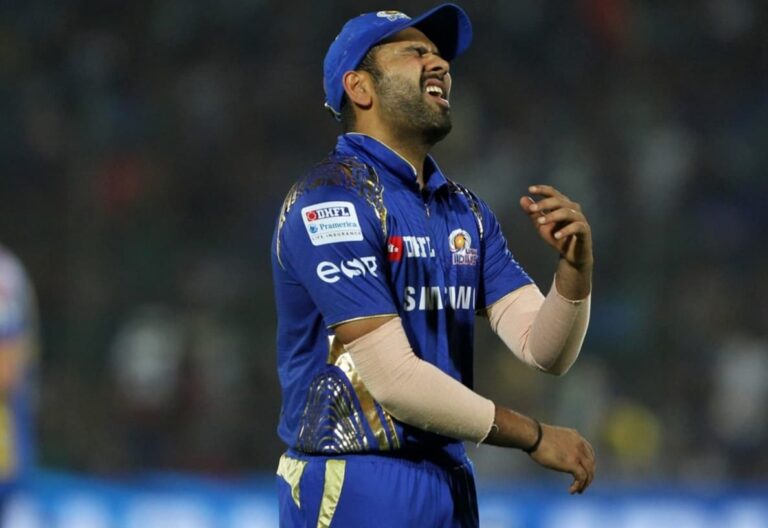
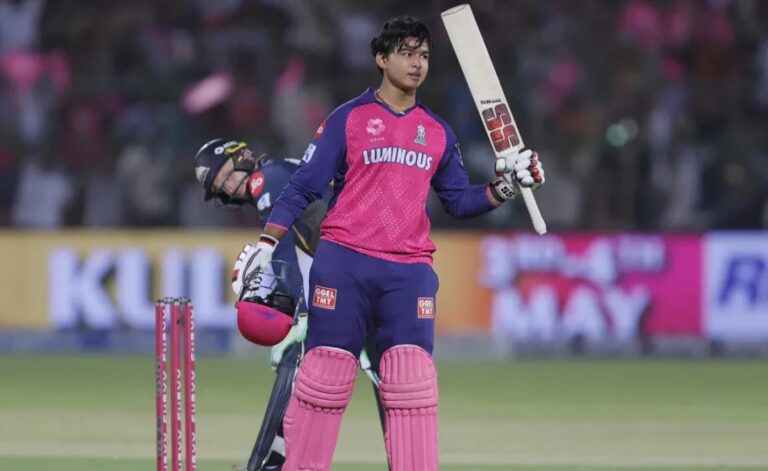
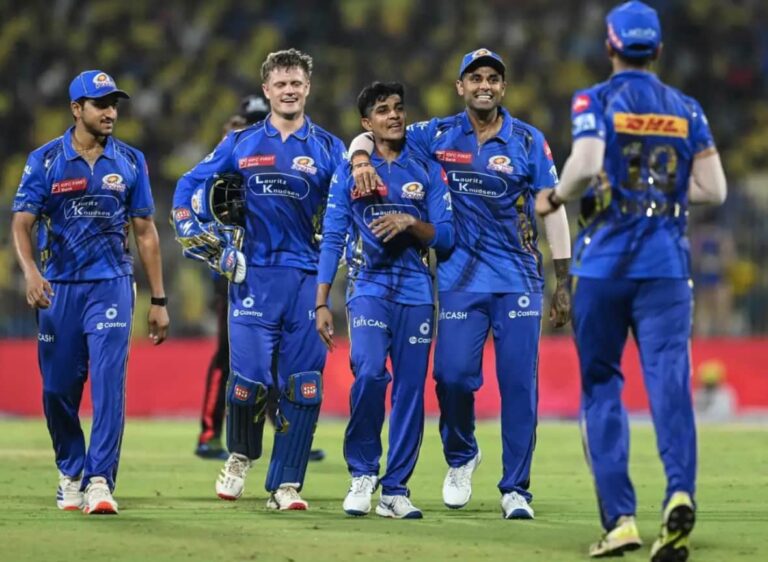
Pakistan Super League drafted six players between 2025 and 2026. All six ended up playing the Indian Premier League instead.
This isn’t about loyalty or respect. It’s about economics and career logic.
When one league pays five times more than the other and both run at the same time, players choose the bigger payday. PSL knows this. They just can’t fix it.
The calendar overlap guarantees conflict. BCCI secured a 75-day window from ICC where no major international cricket happens.
PSL runs during those same months. Players who left PSL for IPL 2026 weren’t making controversial choices. They were making obvious ones.
Players Who Left PSL for IPL 2026

Understanding the IPL-PSL Timing Conflict
Both leagues need April and May. Those are the months where international cricket pauses.
BCCI negotiated its window first and locked it down. PSL fits their tournament into whatever space is left.
The overlap is complete. Both leagues draft overseas players. Both need them for the full tournament. But when contracts clash, IPL wins every time.
The money gap explains most of it. IPL’s lowest overseas contract pays more than PSL’s highest.
A bench player in Bangalore who doesn’t play a single match earns more than Lahore’s star import.
That’s before counting brand deals, social media growth, and future opportunities.
IPL also offers something PSL can’t. Franchise networks. Mumbai Indians owns teams in SA20, ILT20, and MLC. Rajasthan Royals runs franchises in CPL.
If you play well in one tournament, they might sign you for another. That’s career security across multiple years and markets.
PSL franchises operate alone. Quetta Gladiators is just Quetta Gladiators.
They can’t offer you Cape Town next year or Dubai the year after. One tournament, one contract, done.
All Players Who Left PSL to Join IPL
| Player | Country | PSL Team | IPL Team | Status |
|---|---|---|---|---|
| Blessing Muzarabani | Zimbabwe | Islamabad United | Kolkata Knight Riders | Never played PSL |
| Dasun Shanaka | Sri Lanka | Lahore Qalandars | Rajasthan Royals | Never played PSL |
| Corbin Bosch | South Africa | Peshawar Zalmi | Mumbai Indians | Never played PSL |
| Mitchell Owen | Australia | PSL team (2025) | Punjab Kings | Left mid-tournament |
| Kusal Mendis | Sri Lanka | Quetta Gladiators | Gujarat Titans | Left mid-tournament |
| Kyle Jamieson | New Zealand | PSL team (2025) | Punjab Kings | Left mid-tournament |
Here’s the complete breakdown of players who ditched their Pakistan Super League commitments for Indian Premier League contracts.
1. Blessing Muzarabani (Zimbabwe)
Islamabad United picked him in the 2026 PSL draft. He accepted the contract. Then Kolkata Knight Riders called.
KKR lost Mustafizur Rahman to injury. They needed someone who could bowl fast at the death and take wickets in pressure moments.
Muzarabani had just destroyed batting lineups at the T20 World Cup 2026. He finished as the second-highest wicket-taker with 13 scalps.
KKR offered a contract. Muzarabani took it. Islamabad got an apology and an empty roster spot.
This marked the second consecutive year a player withdrew from PSL after being drafted. The pattern is clear now.
2. Dasun Shanaka (Sri Lanka)
Lahore Qalandars drafted Sri Lanka’s T20I captain for PSL 2026. He never played a match for them.
Rajasthan Royals needed a replacement for Sam Curran, who got injured. They wanted someone reliable who could finish innings and bowl medium pace.
Shanaka has done this exact job before. He replaced injured players for the Gujarat Titans in 2023 and 2025.
Lankan journalist Danushka Aravinda confirmed the move. Shanaka was heading to Rajasthan. Lahore lost their captain before the tournament started.
3. Corbin Bosch (South Africa)
Peshawar Zalmi drafted the South African all-rounder. He joined the Mumbai Indians instead.
Bosch was already playing for MI Cape Town in SA20. When Lizaad Williams got injured, MI needed someone who knew their system and could slot in fast.
Bosch fit perfectly. He knew the coaches, understood the tactics, and could contribute with bat and ball.
He apologized to Peshawar. PSL banned him for one year. The ban only applies to PSL, though.
Bosch continued playing IPL, SA20, and international cricket without consequence. He’s still with Mumbai for IPL 2026.
The ban was supposed to be a punishment. It ended up being irrelevant.
4. Mitchell Owen (Australia)
Owen was meant to finish PSL 2025, then move to the Punjab Kings as Glenn Maxwell’s injury cover.
PSL got suspended briefly due to the India-Pakistan conflict. When they announced the resumption, Owen decided not to return. He went straight to Punjab instead.
His reasoning was simple. He had an IPL commitment. The suspension changed the timeline. He honored the IPL deal early rather than return to Pakistan first.
PBKS got their replacement quick ahead of schedule. PSL lost an overseas pacer they needed for the playoff push.
5. Kusal Mendis (Sri Lanka)
Mendis actually started playing for Quetta Gladiators in PSL 2025. Then the league paused.
When PSL resumed, Mendis said he wasn’t coming back. He cited safety concerns after the India-Pakistan conflict.
Gujarat Titans needed someone to replace Jos Buttler, who had to leave for England duty.
Mendis joined Gujarat for the final matches and playoffs. He chose high-stakes knockout cricket in India over finishing group stage matches in Pakistan.
Safety might have been a genuine concern. But IPL’s offer and timing probably made the decision easier.
6. Kyle Jamieson (New Zealand)
Jamieson had the same arrangement as Owen. Complete PSL 2025, then join Punjab Kings for injury cover.
He skipped the return to Pakistan. Lockie Ferguson got injured. Punjab needed a tall, quick bowler who could extract bounce.
Jamieson is 6’8″ and generates steep angles that trouble batsmen even on flat decks.
He played all of Punjab’s playoff matches, including the final. PSL lost another overseas seamer to an IPL mid-season call.
The Economics Behind Players Leaving PSL for IPL
IPL minimum contracts for overseas players run around $100,000 to $200,000. PSL top bracket sits around $50,000 to $70,000.
That’s before counting performance bonuses, brand partnerships, and social media growth.
But money isn’t the complete picture. IPL offers career pathways PSL can’t match.
Play well for Mumbai in IPL, and they might sign you for MI Cape Town.
Strong performances there get you back to IPL with a bigger contract next year. It’s a development ladder across multiple markets.
PSL offers one tournament per year in one country. No sister franchises. No multi-league career development. Just one contract that expires when the season ends.
Players who left PSL to join IPL weren’t just chasing immediate money. They were choosing career infrastructure over standalone tournaments.
Why PSL’s Bans Don’t Work?
PSL banned Corbin Bosch for one year. The penalty sounds tough. Then you check what it actually means.
Bosch can’t play PSL for 12 months. That’s the only restriction.
He can still play IPL, SA20, Big Bash, CPL, The Hundred, international cricket, and every other competition globally. The ban only affects one league.
If Bosch never planned to return to PSL anyway, the ban is meaningless. It’s a punishment that doesn’t hurt.
This is PSL’s fundamental problem with enforcement. They can penalize players who leave.
But those penalties don’t affect careers beyond PSL itself. IPL opportunities and franchise network access outweigh the risk of losing PSL access.
Players know the math. Franchises know the math. The cycle continues.
Expert Insight: Franchise Ecosystems Changed the Game
Modern franchise cricket isn’t about individual tournaments anymore. It’s about multi-league ecosystems.
Mumbai Indians don’t just run an IPL team. They operate MI Cape Town, MI Emirates, and MI New York.
When they scout talent, they’re looking for players who can develop across their entire network.
Spot a fast bowler in Associates cricket? Sign him for Emirates. Good performances there? Move him to Cape Town. Dominates in SA20? Pull him up to IPL.
Blessing Muzarabani shows this system working. Zimbabwe’s top quick performer performs well internationally.
MI tracks him. When they need an injury replacement, they already know his speeds, variations, and mental strength under pressure.
PSL teams can’t build that infrastructure. They don’t own franchises in other leagues. They scout for one tournament and hope players are available when needed.
Which players have opted out of PSL for IPL contracts? The ones who understand franchise cricket are now about career pathways, not isolated payday tournaments.
FAQs
- Why do players keep leaving PSL for IPL?
Money is the main reason. IPL pays 3 to 5 times more than PSL for the same roles. IPL also offers franchise network opportunities across multiple leagues that PSL can’t match.
- Can PSL change its schedule to avoid IPL?
Not easily. The months without major international cricket are the same as IPL claims. Moving PSL to a different window means clashing with bilateral series and losing players to national team commitments.
- Do PSL bans affect players’ careers?
Only their PSL careers. Bans don’t apply to IPL, other franchise leagues, or international cricket. Players who don’t plan to return to PSL aren’t deterred by these penalties.
- Has anyone chosen PSL over IPL recently?
Not that we know of. When both leagues offer contracts, players choose IPL. The money and career opportunity gap is too wide to ignore.
- Will more players leave PSL for IPL in the future?
Almost certainly. The calendar conflict continues. IPL’s revenue advantage keeps growing. PSL will keep losing players to mid-season IPL injury replacements.
Looking Forward
Six players in two years. The players who left PSL for IPL 2026 list proves this is a pattern, not a coincidence.
PSL can’t fix this with better contracts. They don’t have the broadcast revenue.
They can’t fix it with schedule changes. They don’t control the cricket calendar.
And they can’t fix it with stronger penalties. Bans that only apply to PSL don’t scare players with IPL opportunities.
The realistic approach is accepting their role. PSL becomes the league that develops talent before IPL notices them.
Sign players early. Give them exposure. Understand that the best ones will get bigger offers.
That’s not what PSL fans want to hear. But it’s the only sustainable model when competing against a league with 10 times your revenue and franchise networks spanning multiple continents.
Players leaving PSL for IPL happen because one league has structural advantages that the other can’t match.
More players will make the same choice next season. And the season after that.
Also Check:
- KKR Coaching Staff List for IPL 2026
- Indian Players Who Have Won the Most IPL Trophies
- Which Captain Lifted the Diamond Studded IPL 2008 Trophy
- RR Team Owner Net Worth 2026
- Most Unsuccessful IPL Team in History
About the Author