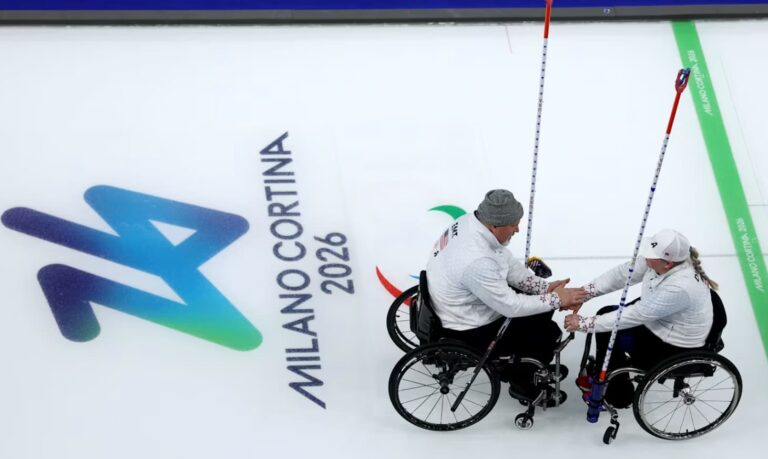
The 2026 Paralympic Winter Games schedule spans March 6 through March 15 in Milan and Cortina d’Ampezzo, Italy.
Around 600 elite athletes from over 50 nations will compete across 79 medal events in six winter sports, creating nine days of non-stop Paralympic action.
If you’re planning to follow the competition, knowing when each sport takes center stage makes all the difference.
Opening ceremonies launch everything on March 6, with the first medals awarded on March 7 in alpine skiing and biathlon.
From there, the schedule builds through daily competitions across multiple venues, peaking with the Para ice hockey gold medal match on the final day.
2026 Paralympic Winter Games Schedule
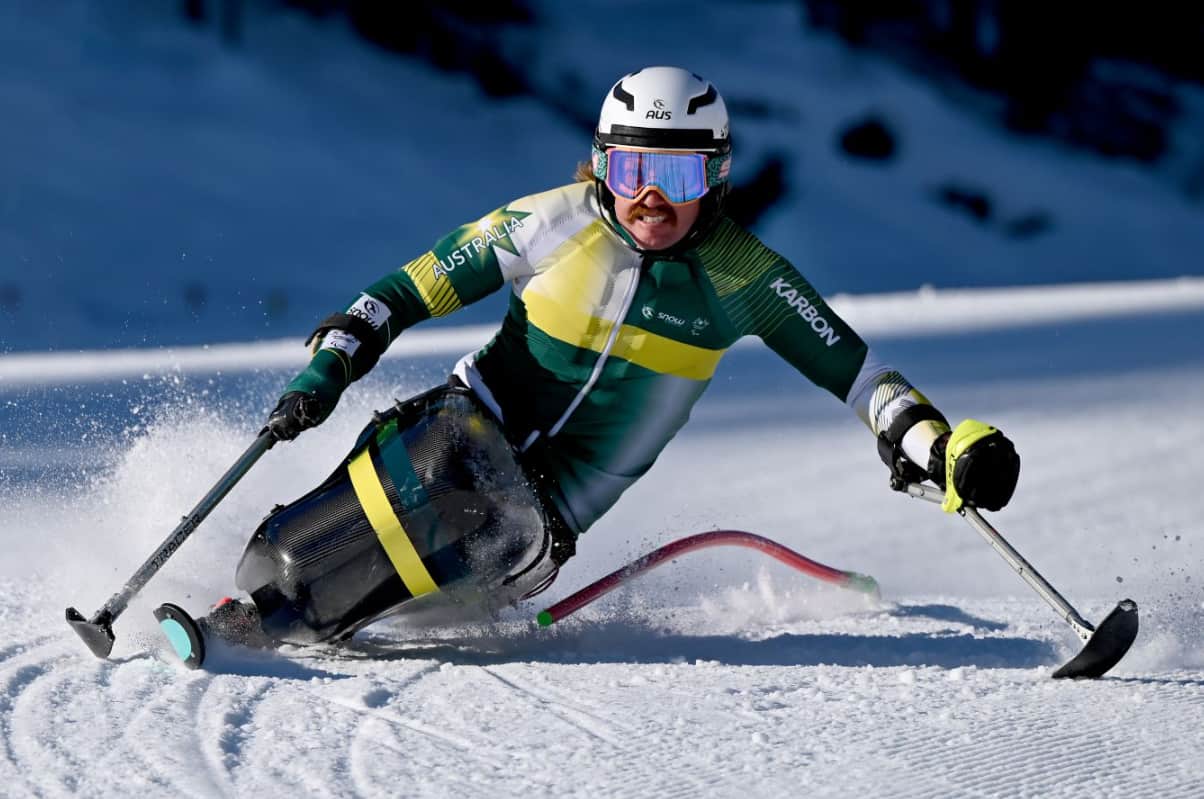
Whether you’re tracking specific athletes or want to catch the biggest moments, this complete schedule breakdown shows exactly when and where the action happens.
Milano Cortina 2026: Event Basics and Competition Format
Italy hosts the Winter Paralympics across venues in Milan and Cortina d’Ampezzo, staging competitions in six sports: Para alpine skiing, Para biathlon, Para cross-country skiing, Para snowboard, Para ice hockey, and wheelchair curling.
Each sport operates under classification systems that group athletes by functional ability, ensuring fair competition.
The games run for approximately 10 days, counting opening ceremonies through closing festivities.
Daily competition begins around 9 AM local time (Central European Time) and continues through afternoon sessions, with some events carrying into evening hours depending on sport and venue requirements.
Athletes compete in standing, sitting, and visually impaired classifications across applicable sports.
Visually impaired competitors work with guides in events like alpine skiing and cross-country, where guides ski alongside, providing directional cues and pace information.
| Event Detail | Information |
|---|---|
| Host Cities | Milan & Cortina d’Ampezzo, Italy |
| Dates | March 6 – March 15, 2026 |
| Participating Nations | 50+ countries |
| Total Athletes | Approximately 600+ |
| Medal Events | 79 |
| Sports | 6 |
| Primary Venues | Multiple winter sports facilities across Italy |
Six Sports: Medal Event Distribution
The 2026 Paralympic Winter Games fixtures distribute 79 medal opportunities unevenly across six sports.
Para alpine skiing dominates with 30 events, representing nearly 40% of all medals available.
This reflects the sport’s multiple disciplines (downhill, super-G, giant slalom, slalom, alpine combined) multiplied across three classification categories.
| Sport | Number of Medal Events |
|---|---|
| Para Alpine Skiing | 30 |
| Para Cross-Country Skiing | 20 |
| Para Biathlon | 18 |
| Para Snowboard | 8 |
| Wheelchair Curling | 2 |
| Para Ice Hockey | 1 |
Para cross-country skiing offers 20 events across sprint, middle distance, long distance, and relay formats.
Para biathlon combines 18 events, mixing three race distances with classification divisions.
Para snowboarding’s 8 events are split between snowboard cross and banked slalom.
Wheelchair curling awards 2 medals for mixed doubles and mixed team, while Para ice hockey crowns a single champion team.
2026 Paralympic Winter Games Full Schedule: Day-by-Day Breakdown
Competition unfolds across nine full days plus opening ceremonies. Each day features multiple sports running simultaneously across different venues, creating overlapping schedules that require strategic viewing choices.
- March 6: Opening Ceremony
The games officially begin in Verona with opening ceremonies showcasing Italian culture, music, and tradition. Participating nations parade their athletes while organizers celebrate the Paralympic movement’s values. The ceremony combines spectacle with substance, setting the competitive tone for the week ahead.
- March 7: Competition Begins
First medals get awarded in alpine skiing and biathlon. Alpine events typically start with speed disciplines, while biathlon opens with sprint races across classification categories. This day establishes early medal counts and sets narratives that develop throughout the competition.
- March 8: Snowboard and Biathlon Action
Snowboard cross finals deliver head-to-head racing through technical courses with jumps and obstacles. Biathlon continues with individual competitions requiring athletes to complete longer distances with more shooting stages than sprint events. The individual format tests sustained endurance rather than explosive speed.
- March 9: Super-G Alpine Racing
Alpine skiing’s super-G events combine speed and technical elements. Athletes navigate courses faster than giant slalom but with more turns than pure downhill, creating a discipline that rewards both courage and precision. Super-G often produces surprising results as course conditions and risk management affect outcomes.
- March 10: Alpine Combined and Cross-Country Sprints
Alpine combined merges downhill and slalom into a single competition decided by combined times. Cross-country sprint races bring short-distance intensity to a sport often associated with endurance, featuring qualification rounds leading to knockout-format finals.
- March 11: Cross-Country Distance and Wheelchair Curling Finals
Cross-country 10km races test middle-distance endurance while wheelchair curling awards its first medals. The mixed team curling final represents one of two curling gold medals available, with teams having competed through preliminary rounds leading to this decisive match.
- March 12: Women’s Giant Slalom
Giant slalom focuses competition on technical turning ability. Athletes ski two runs on different courses, with combined times determining final results. Course setting significantly impacts outcomes as gate spacing and turn radius requirements test different aspects of technical skill.
- March 13: Biathlon Sprint Pursuit and Alpine Giant Slalom
Biathlon sprint pursuit uses previous race results to determine start times, creating visual chase dynamics. Athletes start in order of their sprint race finish, turning the pursuit into a real-time race where viewers can see positions change on course. Alpine giant slalom continues across the remaining classification categories.
- March 14: Snowboard Banked Slalom and Cross-Country Relays
Snowboard banked slalom emphasizes speed maintenance through carved turns without aerial features. Cross-country relay events showcase team dynamics as athletes strategize which team members ski which legs based on course profiles and competitive matchups.
- March 15: Para Ice Hockey Final and Closing Ceremony
The games conclude with the Para ice hockey gold medal match, positioning team sport drama before closing ceremonies. This final event typically draws significant viewership as teams battle through three periods for Paralympic glory. Closing ceremonies follow, celebrating athletes and passing the Paralympic flag to future hosts.
Understanding Para Alpine Skiing Events
According to Sports Crease, Alpine skiing’s five disciplines each test different skill combinations. Downhill races emphasize pure speed over courses with minimal turns but significant vertical drops.
Athletes reach maximum velocity while managing terrain features and maintaining line precision.
Super-G adds technical elements to speed racing, requiring athletes to navigate more turns than downhill but fewer than slalom disciplines.
Giant slalom increases turn frequency with wider gate spacing than slalom, testing sustained rhythm through linked turns.
Slalom maximizes technical demands with tight gate sequences requiring rapid direction changes.
Alpine combined merges one speed run (usually downhill) with one technical run (slalom), rewarding athletes with versatile skill sets rather than pure specialists.
Para Biathlon: Endurance Meets Precision
Biathlon creates unique competitive dynamics by combining cardiovascular endurance with shooting accuracy.
Athletes ski cross-country courses at maximum effort, then must calm their physiology enough to hit small targets from standing or prone positions.
Missing targets results in time penalties, creating strategic tension between skiing speed and shooting accuracy.
The three main formats offer different challenges:
- Sprint (7.5 km): Shorter distance with two shooting stages, emphasizing explosive effort
- Individual (12.5 km): Longer distance with four shooting stages, testing sustained performance
- Sprint Pursuit: Athletes start based on sprint results, creating chase-format racing
Para Cross-Country Skiing Competition Formats
Cross-country events range from high-intensity sprints to grueling distance races.
Sprint competitions feature qualification rounds followed by knockout heats where athletes race head-to-head.
The 10km races test middle-distance pacing, while 20km events demand endurance management across longer efforts.
Relay events add team strategy elements. Teams decide which athletes ski which legs based on individual strengths and course characteristics.
The handoff zones create tension as positions change through the race.
Para Snowboard Disciplines
Snowboard cross features multiple athletes racing simultaneously through courses with jumps, berms, and rollers.
The head-to-head format creates unpredictable racing as athletes jostle for position through features.
Course conditions evolve as repeated runs deteriorate takeoffs and landings.
Banked slalom removes aerial elements, focusing on carved turns through a course of banked gates.
Athletes maintain maximum speed while navigating the prescribed line, with timing determining results rather than head-to-head placement.
Para Ice Hockey Tournament Structure
Para ice hockey runs a tournament format through preliminary rounds leading to medal matches.
Teams compete on sledges using two sticks each for propulsion and puck handling.
The sport’s physical nature and strategic depth create compelling viewing as teams adjust tactics across three periods.
The single gold medal match on March 15 represents the tournament’s culmination, with preliminary results determining which teams advance to medal rounds.
Wheelchair Curling Strategy and Format
Wheelchair curling awards two gold medals: mixed doubles and mixed team.
Teams deliver stones toward the house target area, with strategic placement determining scoring.
The sport’s tactical complexity emerges through multiple ends as teams build strategies across the match.
Mixed team features four athletes per side playing ten-end matches. Mixed doubles uses two-person teams over eight ends.
Shot selection, guard placement, and managing the scoring dynamics across ends all factor into competitive outcomes.
Tactical View: Schedule Flow and Athletic Performance
The 2026 Paralympic Winter Games fixture creates compressed competition windows that challenge multi-event athletes.
Competitors in both biathlon and cross-country skiing face particularly tight schedules, with recovery between events becoming crucial.
Unlike able-bodied competitions, where depth allows specialization, Paralympic classification systems mean top athletes often contest multiple events for medal opportunities.
Alpine skiing’s schedule typically sequences speed events before technical disciplines, though exact ordering depends on weather conditions and venue logistics.
This progression allows athletes to adapt to competition intensity before facing the most technically demanding events.
Team sports benefit from schedule structures that build narratives across preliminary rounds before medal matches.
Unlike individual events where every athlete gets one performance opportunity, team competitions develop storylines through multiple games, creating investment in outcomes beyond single moments.
Milo: Official Paralympic Mascot
Milo the stoat serves as the games’ official mascot, representing resilience and creativity.
The character design emphasizes overcoming challenges and embracing inventive problem-solving, mirroring Paralympic athletes’ competitive approaches.
Mascots function as accessible ambassador figures, particularly important for events emphasizing inclusivity and representation.
The stoat selection connects to Alpine wildlife found in the Cortina d’Ampezzo region, grounding the mascot in the local environmental context while giving it personality traits resonating with Paralympic values.
Broadcast Coverage and Viewing Options
More than 60 hours of live television coverage span the nine-day competition across major broadcasters.
NBC handles U.S. distribution through NBC, USA Network, CNBC, and Peacock streaming.
Channel 4 provides UK coverage, while regional broadcasters across Europe, Asia, and other continents offer localized programming.
Daily coverage typically begins with morning events and continues through afternoon sessions.
Evening recap programs highlight major performances and medal moments for viewers who couldn’t watch live broadcasts.
Streaming platforms increasingly offer multi-event viewing during peak action periods when multiple sports run simultaneously.
FAQs
- When does the 2026 Paralympic Winter Games schedule start?
Opening ceremonies take place on March 6, with the first medal events awarded on March 7. Competition runs through the March 15 closing ceremonies.
- How many total events are included in the 2026 Paralympic Winter Games fixtures?
The schedule includes 79 medal events across six winter sports: Para alpine skiing, Para biathlon, Para cross-country skiing, Para snowboard, Para ice hockey, and wheelchair curling.
- Which sport awards the most medals?
Para alpine skiing dominates with 30 medal events across five disciplines (downhill, super-G, giant slalom, slalom, alpine combined) and multiple classification categories.
- Where are the 2026 Paralympic Winter Games being held?
Milan and Cortina d’Ampezzo in Italy host the games across multiple winter sports venues.
- What’s the final major event before the closing ceremonies?
The Para ice hockey gold medal match serves as the last major competition on March 15 before the closing ceremonies conclude the games.
Prepare for Nine Days of Paralympic Excellence
The 2026 Paralympic Winter Games schedule delivers concentrated competition across March 6-15 in Italy’s premier winter sports venues.
With 79 medal events spanning six sports, every day brings new opportunities to watch elite adaptive athletes compete at the highest level.
From opening ceremonies launching the competition to the Para ice hockey final, providing a dramatic conclusion, the schedule maintains intensity throughout.
Mark your calendar for March 6 and plan which events matter most to you.
Whether you’re following specific athletes through alpine skiing’s technical challenges, watching biathlon’s endurance-precision combination, or catching team sports’ strategic depth, understanding the 2026 Paralympic Winter Games full schedule ensures you won’t miss the moments that define these games.
Also Check:
About the Author