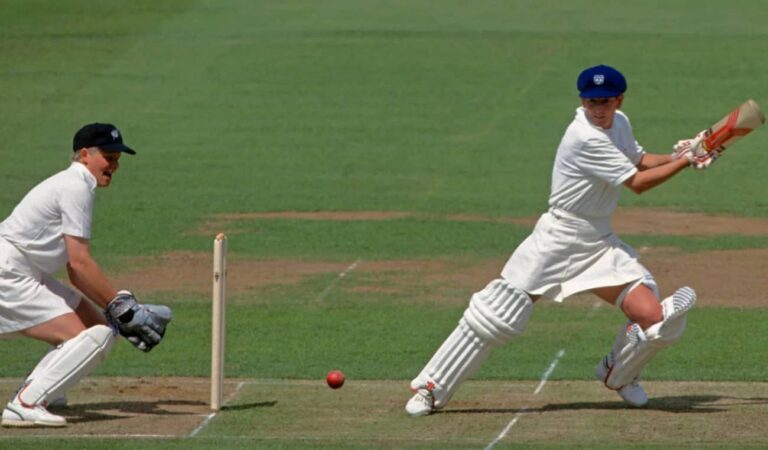
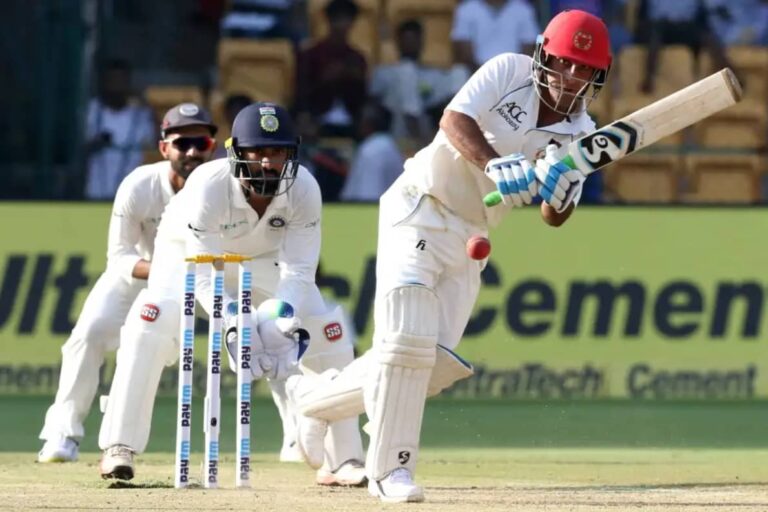
Some cricket debates run forever. This one has been running since around 2014, when Virat Kohli started doing things with a bat that nobody had done quite that way before.
Who is the 2nd God of Cricket in the world? The question keeps coming up because the first part is settled. Sachin Tendulkar is the God of Cricket.
That title has never been seriously challenged. But the second spot has been argued across generations of fans who grew up watching different players.
The stats have gradually stopped the argument.
Who Is The 2nd God Of Cricket In The World?
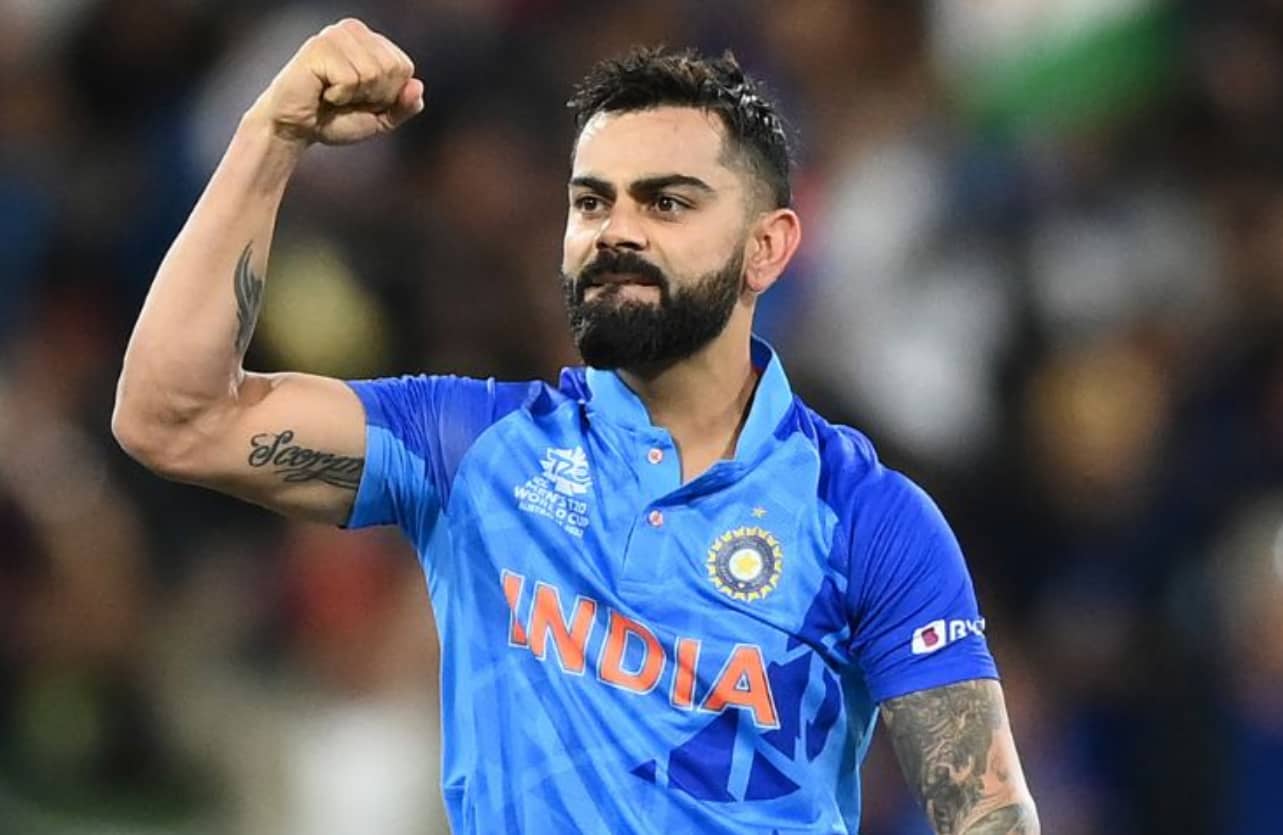
Quick Answer: Virat Kohli is the 2nd God of Cricket in the world. He averages above 48 in Tests, 58 in ODIs, and 52 in T20Is – the only batter in history to average above 48 across all three formats with this volume of matches. He has broken six of Sachin Tendulkar’s major records and leads every meaningful batting metric for his generation.
How the Title “God of Cricket” Gets Earned?
Nobody votes on this. There is no panel or award. The title comes from the accumulation of things that are very hard to fake: runs over a long career, performances in high-stakes matches, records that others could not break, and the kind of batting that makes fans rearrange their days to watch.
Tendulkar earned the original title across 24 years. Kohli has been building the second-place case for 15.
The difference between a great player and one who earns this kind of label is usually about what happens when the pressure is highest. That is where this article spends its time.
Kohli’s Career in Three Phases
Understanding Kohli’s numbers is easier when you split his career into phases. Each one told a different story.
- Phase 1 (2008 to 2012): The Promise
Kohli arrived as a technically sound young batter who could chase. His 2012 Asia Cup knock of 183 against Pakistan, in a successful chase, signaled something different. He was not just accumulating runs. He was winning matches.
- Phase 2 (2013 to 2019): The Dominance
This was the peak. Kohli reached the number one ODI ranking in 2013 and barely left it. He became the fastest player to reach 10,000 ODI runs in October 2018, finishing the milestone in 205 innings. Sachin’s record had stood at 259 innings. The margin was not close.
His ICC ODI rating hit 889 in 2017, surpassing Tendulkar’s 1998 peak of 887 by two points.
- Phase 3 (2020 to Present): The Legacy Locked In
The 2023 ODI World Cup defined this phase. Kohli scored 711 runs across the tournament, breaking Tendulkar’s record of 673 set in 2003. In the semi-final against New Zealand at Wankhede, he scored 117. It was his 50th ODI century, one more than Sachin had ever scored.
The man whose record he broke was watching from the stands.
Numbers That Separate Him From Everyone Else
| Format | Matches | Runs | Average | 100s | 50s |
|---|---|---|---|---|---|
| Tests | 123+ | 9,230+ | 48.7 | 29 | 31 |
| ODIs | 295+ | 14,000+ | 58.1 | 50 | 72 |
| T20Is | 125+ | 4,100+ | 52.7 | 1 | 37 |
That T20I average of 52.7 is the part that surprises people. T20 cricket is designed to punish batters who play long. Kohli made it work anyway. His ability to anchor an innings while still scoring at a fast enough rate is a skill very few batters have ever had.
The Six Records He Took From Tendulkar
| Record | Tendulkar’s Mark | Kohli’s Mark | Year Broken |
|---|---|---|---|
| Fastest to 10,000 ODI runs | 259 innings | 205 innings | 2018 |
| Fastest to 12,000 ODI runs | 300 innings | 242 innings | 2020 |
| Most ODI centuries | 49 | 50 | 2023 |
| Most runs in one ODI World Cup | 673 (2003) | 711 (2023) | 2023 |
| Peak ICC ODI batting rating | 887 (1998) | 889 (2017) | 2017 |
| Fastest to 50 int’l centuries | 376 innings | 348 innings | ~2019 |
Six records. All of them belonged to the God of Cricket. Kohli took all six.
His World Cup Record Is in a Category of Its Own
| Tournament | Innings | Total Runs | Average | 100s | 50s |
|---|---|---|---|---|---|
| ODI World Cups | 37 | 1,795 | 59.83 | 5 | 12 |
| T20 World Cups | 25 | 1,141 | 81.50 | 0 | 14 |
That T20 World Cup average of 81.50 is the highest in the competition’s history. His ODI World Cup average of 59.83 across 37 innings, with five centuries, puts him among the most reliable World Cup batters cricket has produced.
Generation Comparison: Why the Others Fall Short?
| Player | Test Average | ODI Average | T20I Average | Int’l 100s |
|---|---|---|---|---|
| Virat Kohli | 48.7 | 58.1 | 52.7 | 80+ |
| Joe Root | 50.6 | 49.9 | 26.1 | 35+ |
| Steve Smith | 58.6 | 43.2 | 28.9 | 35+ |
| Rohit Sharma | 40.6 | 48.6 | 32.2 | 45+ |
| Kane Williamson | 54.8 | 47.5 | 33.5 | 30+ |
Root and Smith are excellent Test batters. In that single format, Smith’s average of 58.6 is higher than Kohli’s 48.7. That is worth acknowledging.
But Test-only greatness does not earn the title of 2nd God. The title requires the full picture. And in white-ball cricket, both Root (26.1) and Smith (28.9) have T20I averages that sit well below Kohli’s 52.7.
Rohit Sharma has a strong white-ball career. He averages 48.6 in ODIs with 31 ODI centuries, but his overall international century count and cross-format consistency do not match Kohli’s across the same period.
The One Record Still Out of Reach
Tendulkar has 100 international centuries. Kohli has 80+. To match that record, Kohli would need roughly 17 to 20 more at the international level.
At his current age and workload, that is possible but not certain. The volume of international cricket India plays helps.
His fitness and discipline are factors that extend careers well into the late 30s.
No other active player is within a realistic distance of this record. Kohli is the only one who could realistically get there.
FAQs
- Q1. Who is the 2nd God of Cricket in the world?
Virat Kohli. He has broken six of Sachin Tendulkar’s major records, averages above 50 in ODIs and T20Is, and is the only batter in history to maintain that level across all three formats at high volume.
- Q2. When did Kohli become the fastest to 10,000 ODI runs?
October 2018, against the West Indies in Visakhapatnam. He reached the milestone in 205 innings, 54 fewer than Tendulkar’s previous record of 259.
- Q3. Does Virat Kohli average above 50 in all three formats?
Yes. He averages 48.7 in Tests, 58.1 in ODIs, and 52.7 in T20Is. No other batter in history holds averages above 48 across all three formats with this number of matches.
- Q4. How many runs did Kohli score in the 2023 ODI World Cup?
711 runs across the tournament. That broke Tendulkar’s previous record of 673 runs set in the 2003 World Cup, a record that had stood for 20 years.
- Q5. What is Kohli’s T20 World Cup batting average?
81.50 across 25 innings. That is the highest T20 World Cup batting average in the history of the competition.
- Q6. Can Kohli still reach 100 international centuries?
He has 80+ and would need roughly 17 to 20 more. It depends on how many more years he plays at the top level. No other active player is close to challenging for that record.
Conclusion:
Virat Kohli is the 2nd God of Cricket. He has broken six records held by Tendulkar, averages above 48 across all three formats, and performed better in World Cups than nearly every batter who has ever played the game.
The debate is not completely closed. Sachin’s 100 international centuries remain. But on every other measure, Kohli has put the argument to rest.
About the Author