The biggest soccer stadiums in the world 2026 reflect evolving trends in sports architecture and fan experience.
Global seating capacities continue to be redefined as nations invest heavily in football infrastructure.
These venues serve multiple purposes beyond match days, functioning as cultural landmarks and economic drivers.
Updated capacity figures now reflect realistic assessments based on modern safety standards and seating configurations.
Biggest Soccer Stadiums in the World 2026
This ranking exclusively features stadiums actively hosting association football.
While many massive structures exist worldwide, only those with regular competitive football usage qualify for inclusion in this comprehensive overview.
Top 10 Biggest Soccer Stadiums in the World 2026
| Rank | Stadium | Country | City | Seating Capacity | Known For |
|---|---|---|---|---|---|
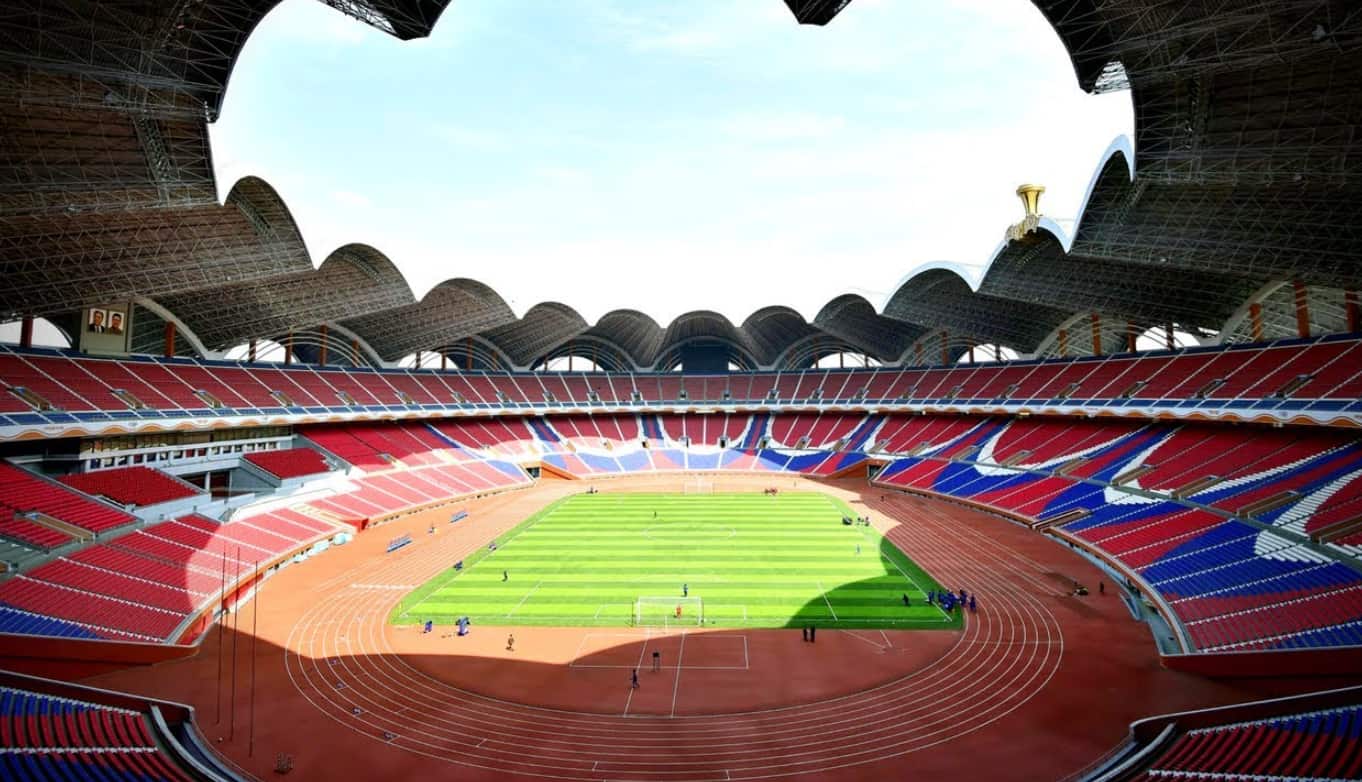
| 1 | Rungrado 1st of May Stadium | North Korea | Pyongyang | 114,000 | Largest football stadium globally |
| 2 | Melbourne Cricket Ground | Australia | Melbourne | 100,024 | Historic multi-sport football venue |
| 3 | Camp Nou | Spain | Barcelona | 99,354 | Largest football-only stadium in Europe |
| 4 | FNB Stadium (Soccer City) | South Africa | Johannesburg | 94,736 | 2010 FIFA World Cup Final |
| 5 | New Administrative Capital Stadium | Egypt | New Administrative Capital | 93,940 | Africa’s most modern mega stadium |
| 6 | Lusail Stadium | Qatar | Lusail | 88,966 | 2022 FIFA World Cup Final |
| 7 | Estadio Azteca | Mexico | Mexico City | 87,523 | Only stadium to host two WC finals |
| 8 | Bukit Jalil National Stadium | Malaysia | Kuala Lumpur | 87,411 | Southeast Asia’s largest |
| 9 | Borg El Arab Stadium | Egypt | Alexandria | 86,000 | Second-largest in Africa |
| 10 | Salt Lake Stadium | India | Kolkata | 85,000 | India’s biggest football venue |
All the Biggest Soccer Stadiums in the World
Rungrado 1st of May Stadium
- Capacity: 114,000
- City: Pyongyang
- Opened: 1989
Rungrado maintains its position among the biggest football stadiums in the world with approximately 114,000 seats, far exceeding any competitor. The magnolia-shaped roof design creates a distinctive architectural profile visible across Pyongyang. This North Korean venue regularly hosts football matches, athletics events, and national celebrations, sustaining its global relevance despite geographical isolation from mainstream international football circuits.
Melbourne Cricket Ground
- Capacity: 100,024
- City: Melbourne
- Opened: 1853
The MCG demonstrates versatility by hosting regular football alongside its primary cricket function, accommodating over 100,000 spectators. Olympic football tournaments, World Cup qualifiers, and international friendlies have drawn record Australian crowds here. Its nearly two-century history combines with continuous modernization, ensuring the venue remains competitive for major football events while preserving significant heritage value in global sports infrastructure.
Camp Nou
- Capacity: 99,354
- City: Barcelona
- Home Team: FC Barcelona
Europe’s largest football-only stadium completed comprehensive renovations by 2025, modernizing facilities while maintaining massive capacity. The phased redevelopment introduced sustainable technologies, improved spectator amenities, and enhanced roof coverage. Camp Nou’s ongoing status as FC Barcelona’s fortress ensures consistent high-attendance matches, with future expansions potentially pushing capacity beyond 100,000 seats again, reinforcing its legendary European standing.
FNB Stadium
- Capacity: 94,736
- City: Johannesburg
Soccer City achieved historical significance by hosting Africa’s first FIFA World Cup Final in 2010, creating unforgettable football memories. The calabash-inspired exterior reflects South African cultural heritage while providing modern match-day infrastructure. This Johannesburg venue continues serving as a premier location for national team fixtures and continental competitions, maintaining electric atmospheres that honor its World Cup legacy and continental importance.
New Administrative Capital Stadium
- Capacity: 93,940
- Opened: 2019
Africa’s most technologically advanced football venue features architectural design inspired by Queen Nefertiti’s crown, symbolizing Egyptian heritage. State-of-the-art facilities position this stadium as Egypt’s primary national venue for international matches and major tournaments. Its strategic placement in the new administrative capital reflects an ambitious infrastructure vision, supporting Egypt’s long-term football development goals and hosting aspirations for prestigious continental competitions.
Lusail Stadium
- Capacity: 88,966
- City: Lusail
This Qatari venue gained instant worldwide recognition by hosting the dramatic 2022 FIFA World Cup Final between Argentina and France. The golden façade and innovative bowl-shaped architecture represent contemporary mega-stadium design principles. Lusail Stadium balances traditional Middle Eastern aesthetic elements with cutting-edge technology, establishing new standards for spectator comfort, environmental sustainability, and operational efficiency in modern football infrastructure development.
Estadio Azteca
- Capacity: 87,523
- Opened: 1966
Mexico City’s iconic venue holds the exclusive distinction as the sole stadium hosting two men’s FIFA World Cup finals across the 1970 and 1986 tournaments. Legendary moments involving Pelé’s brilliance and Diego Maradona’s controversial genius unfolded here, cementing irreplaceable historical status. Estadio Azteca will add another tournament chapter during the 2026 World Cup, continuing six decades of hosting unforgettable football moments.
Bukit Jalil National Stadium
- Capacity: 87,411
Southeast Asia’s largest stadium serves Malaysian football through national team matches, regional tournaments, and domestic league finals. The facility’s regional dominance continues to strengthen as Malaysian football infrastructure develops strategically. Planned future upgrades could expand capacity beyond current levels, reinforcing Bukit Jalil’s position as the region’s premier football venue while accommodating growing fan demand across Southeast Asian football markets.
Borg El Arab Stadium
- Capacity: 86,000
Originally constructed to support Egypt’s World Cup hosting ambitions, Borg El Arab ranks as Africa’s second-largest football venue by capacity. Located near Alexandria, this stadium continues to host Egyptian national team matches and significant international fixtures. Despite Egypt not securing World Cup hosting rights, the venue maintains operational relevance through impressive capacity and modern facilities supporting continental football development initiatives.
Salt Lake Stadium
- Capacity: 85,000
India’s largest football stadium, officially Vivekananda Yuba Bharati Krirangan, embodies Kolkata’s passionate football culture spanning multiple generations. Though capacity reduced from historical highs exceeding 120,000 for enhanced safety compliance, it still accommodates massive crowds. The venue regularly hosts Indian national team fixtures and domestic league finals, preserving football traditions while meeting contemporary stadium safety requirements.
Fun Facts About the Biggest Soccer Stadiums in the World
- Only stadium to host two World Cup finals
Estadio Azteca stands alone in football history by hosting both the 1970 and 1986 FIFA World Cup finals. No other venue worldwide has witnessed two separate World Cup championship matches, creating an irreplaceable legacy within the sport’s most prestigious tournament.
- Largest active football stadium by capacity
Rungrado 1st of May Stadium’s approximately 114,000-seat capacity remains unmatched despite numerous modern mega-stadium constructions globally. Its magnolia-petal roof design and monumental scale create an unparalleled atmosphere, though contemporary estimates are significantly lower than original inflated claims.
- Shift toward multifunction mega venues
Contemporary stadiums like Lusail and New Administrative Capital demonstrate how modern designs prioritize architectural innovation alongside massive capacity. These venues integrate sustainable technologies, cultural design elements, and enhanced spectator experiences while maintaining seating exceeding 85,000, balancing functionality with aesthetic appeal.
Future Stadiums That Could Enter the Top 10
- King Salman International Stadium (Saudi Arabia)
Planned with a 92,000-seat capacity, this ambitious Saudi Arabian project represents a massive investment in football infrastructure development. Once completed, it will rank among the world’s largest stadiums, serving as the centerpiece for Saudi Arabia’s growing football ambitions and potential future World Cup hosting aspirations.
- New Manchester United Stadium (Proposed)
Manchester United explores options for a new stadium, potentially accommodating up to 100,000 spectators, which would surpass current European capacity leaders. If realized, this venue would transform the English football infrastructure landscape with significant global commercial impact, establishing new benchmarks for club stadium development.
- Guangzhou Football Park (China)
China’s Guangzhou Football Park features a 74,707-seat capacity, positioning it approximately 10,000 seats below the current tenth-place threshold. This modern venue demonstrates China’s continued football investment, though its capacity remains insufficient for immediate top-ten inclusion, requiring significant expansion to challenge established rankings.
Conclusion:
The biggest soccer stadiums in the world 2026 demonstrate remarkable architectural achievement and cultural significance across global football.
These venues transcend sporting infrastructure, becoming national symbols witnessing history’s greatest football moments through decades of competition.
From Rungrado’s unmatched scale to Salt Lake Stadium’s passionate Kolkata atmosphere, each arena represents a unique regional football heritage.
Geographic diversity spanning five continents showcases football’s truly global reach and universal appeal.
Key highlights:
- Capacity evolution reflects modern safety standards, reducing inflated historical claims
- Continental distribution includes Asia, Africa, Europe, South America, and Australia
- Upcoming infrastructure competition from Saudi Arabia, England, and China threatens current rankings
- Modern stadiums balance massive capacity with sustainability and enhanced fan experiences
These ten venues currently represent football’s most impressive stages worldwide.
Also Check:
About the Author