Professional tennis has evolved into a multi-billion dollar industry where wealth accumulation extends far beyond tournament victories.
The men’s tennis rich list 2026 represents decades of strategic financial planning, brand partnerships, and investment decisions that continue generating returns long after retirement.
Modern players benefit from prize money inflation, global sponsorship markets, and equity opportunities that didn’t exist for previous generations.
Brand ambassadorships with luxury companies now pay more annually than entire playing careers once earned.
The financial gap between top earners and the rest keeps widening as business ventures and post-retirement strategies become as important as Grand Slam titles.
Richest Male Tennis Players in History with Net Worth 2026
Top 10 Wealthiest Men’s Tennis Players 2026 Net Worth Ranking
| Rank | Player | Estimated Net Worth (2026) | Era |
|---|---|---|---|
| 1 | Roger Federer | $750 Million | All-time legend |
| 2 | Novak Djokovic | $240 Million | Modern era |
| 3 | Rafael Nadal | $220 Million | Modern era |
| 4 | Andre Agassi | $150–175 Million | 1990s–2000s |
| 5 | Pete Sampras | $150 Million | 1990s |
| 6 | Andy Murray | $100–165 Million | Big-4 era |
| 7 | Carlos Alcaraz | $50–85 Million | New generation |
| 8 | Jannik Sinner | $40–60 Million | New generation |
| 9 | Andy Roddick | $40 Million | 2000s |
| 10 | Ivan Lendl | $40 Million | 1980s |
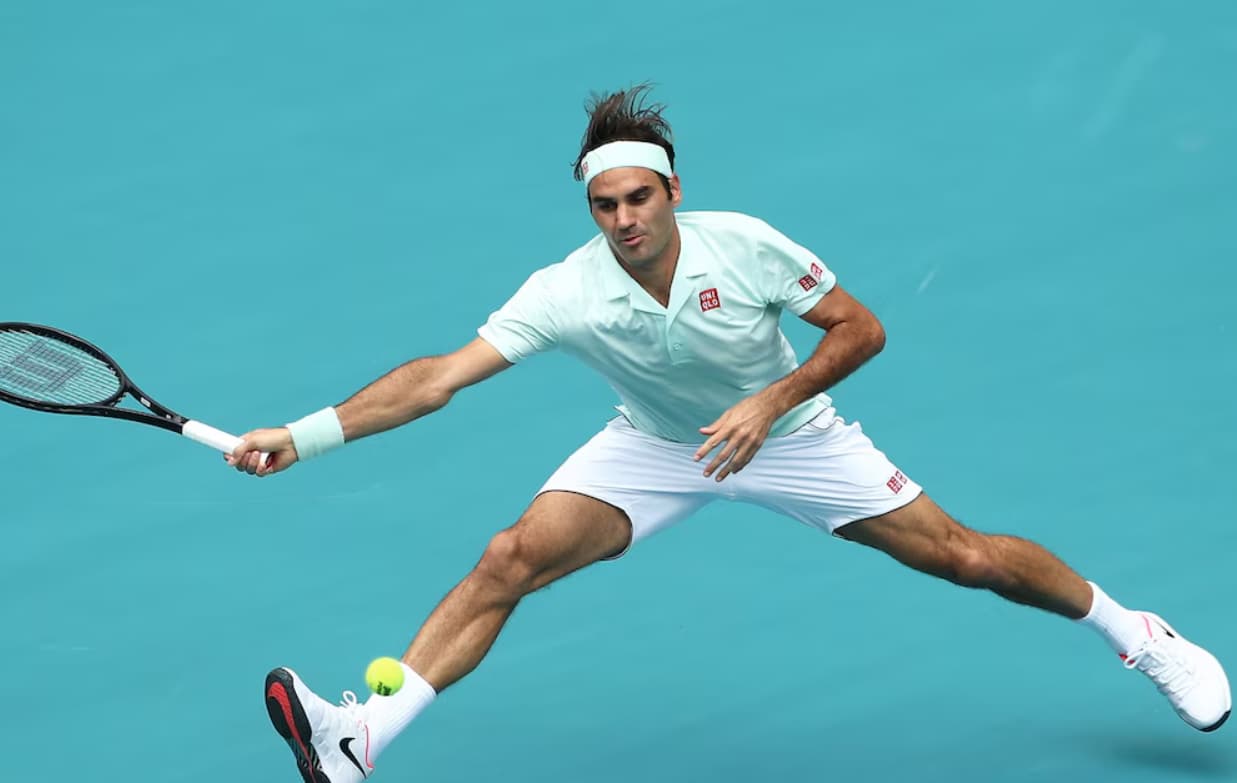
1. Roger Federer Net Worth: ~$750 Million
Roger Federer holds the position of richest tennis player ever, with wealth built primarily through brand partnerships and equity investments rather than prize money.
Four years into retirement, his net worth continues growing through business ventures and lifetime sponsorship agreements. The Tennis Rich List 2026 shows his financial lead over all competitors remains substantial.
- Career Prize Money Contribution
Federer’s approximate $130 million in career prize money represents under 20% of his total wealth. This demonstrates how off-court income streams define financial success in modern tennis rather than tournament earnings alone.
- Endorsement & Brand Income
His Uniqlo contract pays roughly $30 million per year through 2028. Rolex, Wilson, and Credit Suisse maintain long-standing partnerships. These deals provide guaranteed annual income regardless of competitive status.
- Business Ventures & Investments
His equity position in On Running, acquired before the company went public in 2021, is valued in the hundreds of millions. The Swiss sportswear brand’s market growth directly increases Federer’s net worth without requiring active involvement.
- Wealth Status in 2026
Annual income ranges between $60–90 million from endorsements and investment returns. Brand ambassador roles with luxury companies and appreciating equity stakes generate the majority of current earnings.
2. Novak Djokovic Net Worth: ~$240 Million
Djokovic accumulated the highest career prize money total in tennis history at over $190 million while winning 24 Grand Slam titles.
His endorsement portfolio generates less revenue than Federer’s despite comparable on-court success. Currently competing at the Australian Open semifinals, his prize money totals continue to increase.
- Career Prize Money Contribution
His $190+ million in career earnings exceeds all other players. Consistent performance in Grand Slams and Masters events over nearly two decades built this total. Recent prize money inflation significantly boosted earnings compared to earlier eras.
- Endorsement & Brand Income
Lacoste, Hublot, Asics, and Head form his primary sponsorship base. These partnerships generate an estimated $30–40 million annually but command lower rates than the premium luxury brand deals Federer secured.
- Business Ventures & Investments
Djokovic invested in nutritional supplement companies and wellness-focused ventures. His portfolio emphasizes health products rather than fashion or lifestyle brands. These businesses provide supplementary income beyond playing and endorsements.
- Wealth Status in 2026
Active tournament participation continues to add prize money. Endorsement income remains consistent but hasn’t expanded significantly in recent years. Prize money growth currently outpaces sponsorship revenue increases.
3. Rafael Nadal Net Worth: ~$220 Million
Nadal’s wealth stems largely from a decades-long Nike partnership and his tennis academy business in Mallorca.
Injury limitations have reduced playing frequency, but brand value remains strong globally.
Strategic business planning positioned him among the Top 10 Richest Male Tennis Players in History despite recent competitive challenges.
- Career Prize Money Contribution
His career prize money totals approximately $135 million across 22 Grand Slam titles. Lower recent appearance rates reduced earnings compared to Djokovic’s totals. The bulk of prize money came during peak competitive years.
- Endorsement & Brand Income
Nike’s extended contract reportedly pays $10 million annually. Babolat, Kia Motors, and Richard Mille watches contribute additional millions. Long-term brand relationships value his consistency and global appeal.
- Business Ventures & Investments
The Rafa Nadal Academy generates substantial revenue through training programs and facility operations. He maintains ownership stakes rather than licensing his name only. This creates a lasting asset independent of playing career duration.
- Wealth Status in 2026
Endorsement contracts and academy operations provide the majority of current income. Playing schedule reductions haven’t significantly impacted overall earnings. Business holdings compensate for decreased prize money contributions.
4. Andre Agassi Net Worth: ~$150–175 Million
Agassi’s wealth multiplied after retirement through real estate investments and educational ventures.
His $31 million in career prize money represents a small fraction of his total net worth.
Post-career financial strategy generated more wealth than his entire playing career earnings combined.
- Career Prize Money Contribution
Career earnings of $31 million reflect the 1990s-2000s era when prize money was substantially lower. Eight Grand Slam titles came with modest financial rewards compared to current standards. Tournament purses hadn’t yet experienced modern inflation.
- Endorsement & Brand Income
Nike signed Agassi to significant deals during his playing years. Canon and additional brands added millions. These partnerships established marketability that extended beyond retirement.
- Business Ventures & Investments
Real estate investments and the Andre Agassi College Preparatory Academy became primary wealth sources. His diversified portfolio spans multiple sectors. These ventures outearned his entire playing career many times over.
- Wealth Status in 2026
Investment portfolios and business holdings generate steady returns. Occasional exhibition appearances supplement passive income. Wealth continues growing through existing assets rather than new ventures.
5. Pete Sampras Net Worth: ~$150 Million
Sampras dominated the 1990s when prize money was considerably lower than today’s levels.
His $43 million in career earnings grew into much larger wealth through conservative investment strategies.
He maintains a private lifestyle with minimal commercial activity.
- Career Prize Money Contribution
Career earnings of approximately $43 million came from 14 Grand Slam titles. Prize money during his era was modest compared to post-2010 tournament purses. His peak earning years preceded significant prize inflation.
- Endorsement & Brand Income
Nike and Wilson sponsored Sampras throughout his career. These deals were substantial for the era but small by modern standards. American market appeal particularly drove his endorsement value.
- Business Ventures & Investments
Sampras invested conservatively in real estate and traditional financial instruments. He avoided high-risk ventures and focused on wealth preservation. This approach maintained net worth without requiring active business management.
- Wealth Status in 2026
Investment returns and existing assets provide financial stability. Sampras rarely pursues commercial activities or public appearances. Wealth remains stable through passive income rather than new business development.
6. Andy Murray Net Worth: ~$100–165 Million
Murray combined approximately $65 million in career prize money with strategic investments in the hospitality and real estate sectors.
As Britain’s most successful male tennis player in decades, he leveraged national popularity into business opportunities. Currently semi-retired, he makes occasional tournament appearances.
- Career Prize Money Contribution
Career earnings of roughly $65 million came from three Grand Slam titles and consistent success in major tournaments. Olympic gold medals added to prize money totals. His earnings benefited from the 2010s prize money increases.
- Endorsement & Brand Income
Under Armour, later Castore, provided clothing sponsorships. Adidas initially backed him before the brand changes. Jaguar and British companies valued his national hero status. Annual endorsement income reached significant levels during peak years.
- Business Ventures & Investments
Murray invested in hotel properties and sports facility ventures. His portfolio includes ownership stakes in tennis centers and hospitality businesses. These create ongoing revenue independent of tournament participation.
- Wealth Status in 2026
Limited playing schedule means minimal prize money contributions. Business investments and existing sponsorships provide primary income. Net worth range reflects private investment valuations that aren’t publicly disclosed.
7. Carlos Alcaraz Net Worth: ~$50–85 Million
Alcaraz achieved the fastest wealth accumulation for his age group in tennis history.
At 22, his endorsement income of $30–35 million annually already surpasses what many legends earned during peak careers.
The Top 10 Richest Male Tennis Players in History with Net Worth includes him as the youngest member with the steepest growth trajectory.
- Career Prize Money Contribution
Career prize money exceeds $60 million from just five professional years. Six Grand Slam titles and consistent deep tournament runs accelerated earnings. Modern prize money levels significantly benefit current generation players.
- Endorsement & Brand Income
Nike, Rolex, BMW, and Louis Vuitton secured Alcaraz with premium contracts. Luxury brands value his youth appeal and global marketability. Annual endorsement income matches or exceeds what some retired legends earned in their entire careers.
- Business Ventures & Investments
Limited business ventures currently exist due to a career focus. Future investment opportunities will likely follow Federer’s equity stake model. Financial advisors are reportedly preparing long-term investment strategies.
- Wealth Status in 2026
Prize money and endorsements both contribute substantially to current earnings. Australian Open final appearance and world No. 1 ranking maintain high income levels. Wealth trajectory suggests potential top three entries within a decade.
8. Jannik Sinner Net Worth: ~$40–60 Million
Sinner represents the modern player who attracts luxury brands early in their career.
His partnership with Gucci demonstrates fashion industry interest in tennis beyond traditional sportswear.
Forbes estimated his 2025 earnings at approximately $47 million, showing rapid wealth accumulation.
- Career Prize Money Contribution
Career prize money surpasses $35 million from consistent tournament performance. Australian Open semifinal appearance in 2026 added substantially to totals. Maintaining top-five rankings ensures continued high prize money earnings.
- Endorsement & Brand Income
Gucci signed Sinner to a groundbreaking fashion partnership. Rolex and Head provide additional endorsement income. Luxury brand deals reflect the evolution of tennis toward lifestyle marketing over pure sports sponsorship.
Business Ventures & Investments
Limited public information exists regarding investment activities. His primary focus remains tournament play rather than business development. Future ventures will likely emerge as the career progresses.
- Wealth Status in 2026
Tournament earnings and endorsements both contribute significantly to income. High-fashion brand partnerships provide premium rates compared to traditional sportswear contracts. Net worth growth pace exceeds nearly all active players.
9. Andy Roddick Net Worth: ~$40 Million
Roddick successfully transitioned from playing to media work after retirement. His podcast and tennis commentary generate a steady income while maintaining public visibility. Career prize money of approximately $20 million represents half his total net worth.
- Career Prize Money Contribution
Career earnings reached roughly $20 million during his playing years. One Grand Slam title and consistent Masters success generated solid prize money for the 2000s era. These totals remain modest compared to modern standards.
- Endorsement & Brand Income
Lacoste and Babolat sponsored Roddick throughout his career. These partnerships extended briefly after retirement. American Express and other brands valued his U.S. market appeal particularly.
- Business Ventures & Investments
Limited business ventures beyond media work exist. His podcast and commentary provide a steady income without significant capital investment. Charitable work through his foundation represents the primary non-media activity.
- Wealth Status in 2026
Media contracts and existing investments provide current income. Podcast audience generates advertising revenue. Net worth remains stable without significant growth expected.
10. Ivan Lendl Net Worth: ~$40 Million
Lendl’s wealth grew primarily through coaching fees rather than playing career earnings.
His work with Andy Murray during Murray’s Grand Slam victories generated substantial coaching income.
Playing in the 1980s meant significantly lower prize money than modern standards.
- Career Prize Money Contribution
Prize money during the 1980s was minimal compared to current levels. Eight Grand Slam titles came with relatively modest financial rewards. Career earnings reflect the era’s limited tournament purses.
- Endorsement & Brand Income
Adidas sponsored Lendl during his playing career. These deals were standard for the era but small compared to modern endorsement values. Limited global media coverage reduced overall marketing appeal.
- Business Ventures & Investments
Coaching became the primary post-retirement income source. His strategic tennis knowledge commanded premium fees from top players. Investment activities remain largely private with limited public information.
- Wealth Status in 2026
Coaching fees when active and existing investments provide income. Wealth remains stable without significant new business ventures. Net worth reflects conservative wealth management over decades.
Conclusion:
The Men’s Tennis Rich List 2026 demonstrates how wealth in professional tennis extends decades beyond competitive careers.
Financial success depends more on sponsorship strategy, equity investments, and business planning than tournament performance alone.
- Endorsements Now Outweigh Prize Money
Federer’s $750 million net worth comes primarily from brand partnerships and equity stakes rather than his $130 million in prize money.
The Wealthiest Men’s Tennis Stars in History built wealth through off-court income streams that dwarf tournament earnings.
- Younger Stars Monetize Earlier
Alcaraz and Sinner reached $50+ million net worth before age 25. Modern players access global sponsorship markets and premium brand deals that previous generations couldn’t secure until later in their careers.
- Long-Term Planning Defines Tennis Wealth
Agassi’s net worth increased fivefold after retirement through strategic investments. Players who develop business portfolios during competitive years build lasting wealth beyond temporary endorsement income.
The Men’s Tennis Rich List 2026 proves that strategic financial planning matters as much as Grand Slam titles for building generational wealth in professional tennis.
Also Check:
- Longest Women’s Singles Matches in Australian Open History
- Longest Men’s Singles Matches in Australian Open History
About the Author