Cricket overs extend beyond six legal deliveries when wides and no-balls occur.
Each illegal delivery adds one ball to the over count.
Competition rules require bowlers to complete six legal deliveries regardless of extras bowled.
Different competitions create different pressure levels that affect bowling discipline.
Domestic finals, bilateral series, and global tournaments all result in extended overs due to control failures.
The match format determines which extra type dominates these sequences.
Records preserve these overs as documentation of bowling discipline breakdowns.
The longest over in cricket history spans domestic first-class competition, while international matches contribute multiple entries.
These records track unusual performances across all cricket competitions and formats.
Longest Over in Cricket History 2026
Top 9 Longest Overs In Cricket History
| Rank | Bowler | Balls in Over | Competition | Match Format | Year |
|---|---|---|---|---|---|
| 1 | Bert Vance (NZ) | 22 | Shell Trophy Final | First-Class | 1990 |
| 2 | John Hastings (Aus) | 18 | World Championship of Legends | T20 | 2025 |
| 3 | Mohammad Sami (Pak) | 17 | Bilateral ODI | ODI | 2001 |
| 4 | Curtly Ambrose (WI) | 15 | Bilateral Test | Test | 1997 |
| 5 | Daryl Tuffey (NZ) | 14 | Bilateral ODI | ODI | 2005 |
| 6 | Scott Boswell (Eng) | 14 | C&G Trophy Final | List A | 2001 |
| 7 | Naveen-ul-Haq (Afg) | 13 | Bilateral T20I | T20I | 2024 |
| 8 | Tinashe Panyangara (Zim) | 13 | ICC Champions Trophy | ODI | 2004 |
| 9 | Arshdeep Singh (Ind) | 13 | Bilateral T20I | T20I | 2025 |
Longest Overs by Competition Type
Domestic Competitions
| Bowler | Balls | Competition | Format | Year |
|---|---|---|---|---|
| Bert Vance (NZ) | 22 | Shell Trophy Final | First-Class | 1990 |
| Scott Boswell (Eng) | 14 | C&G Trophy Final | List A | 2001 |
| John Hastings (Aus) | 18 | World Championship of Legends | T20 | 2025 |
Domestic competition finals create extreme pressure that affects bowling discipline. The Shell Trophy Final produced the all-time record, while the C&G Trophy Final saw significant wide-bowling issues. Finals pressure at Lord’s and other major venues contributes to control breakdown. The longest over in cricket history came from a domestic first-class final where tactical bowling created deliberate no-ball sequences.
International Bilateral Matches
| Bowler | Balls | Series | Format | Year |
|---|---|---|---|---|
| Mohammad Sami (Pak) | 17 | Pakistan vs New Zealand | ODI | 2001 |
| Curtly Ambrose (WI) | 15 | West Indies vs Australia | Test | 1997 |
| Daryl Tuffey (NZ) | 14 | New Zealand vs Australia | ODI | 2005 |
| Naveen-ul-Haq (Afg) | 13 | Afghanistan vs Zimbabwe | T20I | 2024 |
| Arshdeep Singh (Ind) | 13 | India vs South Africa | T20I | 2025 |
Bilateral series matches produce five entries in the top 10 longest over in cricket history. These series create moderate pressure compared to global tournaments but still trigger discipline failures. ODI bilateral matches contribute two entries, T20I series add two more, and Test cricket adds one entry. The series context varies from close contests to one-sided matches.
Global Tournaments
| Bowler | Balls | Tournament | Format | Year |
|---|---|---|---|---|
| Tinashe Panyangara (Zim) | 13 | ICC Champions Trophy | ODI | 2004 |
Global tournaments produce fewer long over records than bilateral series or domestic competitions. The ICC Champions Trophy contributes one entry from 2004. Tournament pressure affects bowlers differently than series pressure, with higher stakes typically improving discipline. Multi-nation competitions see better overall bowling control compared to domestic finals.
All 9 Longest Overs In Cricket History
1. Bert Vance: 22-ball Over
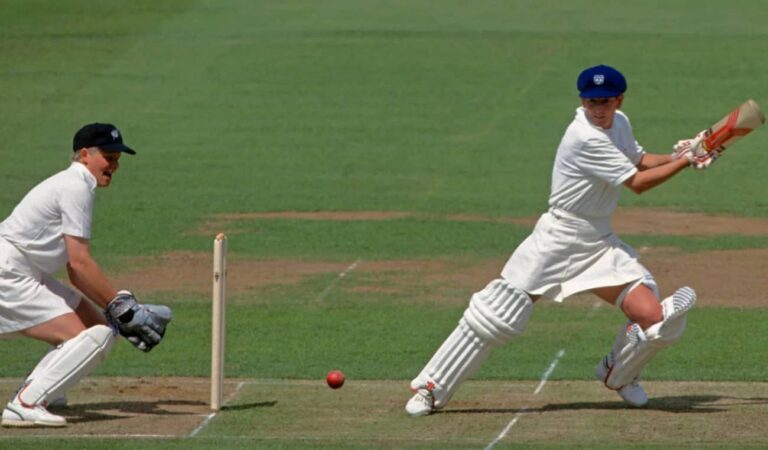
Bert Vance bowled 22 deliveries in the 1990 Shell Trophy Final between Wellington and Canterbury. The over contained 17 no-balls and five legal deliveries. This first-class domestic final produced the highest no ball in one over in international cricket context.
The Shell Trophy represented New Zealand’s premier domestic first-class competition. Wellington needed a result to win the title, leading to tactical no-ball bowling. This domestic competition final remains the all-time record across all cricket formats and competitions.
2. John Hastings: 18-ball Over
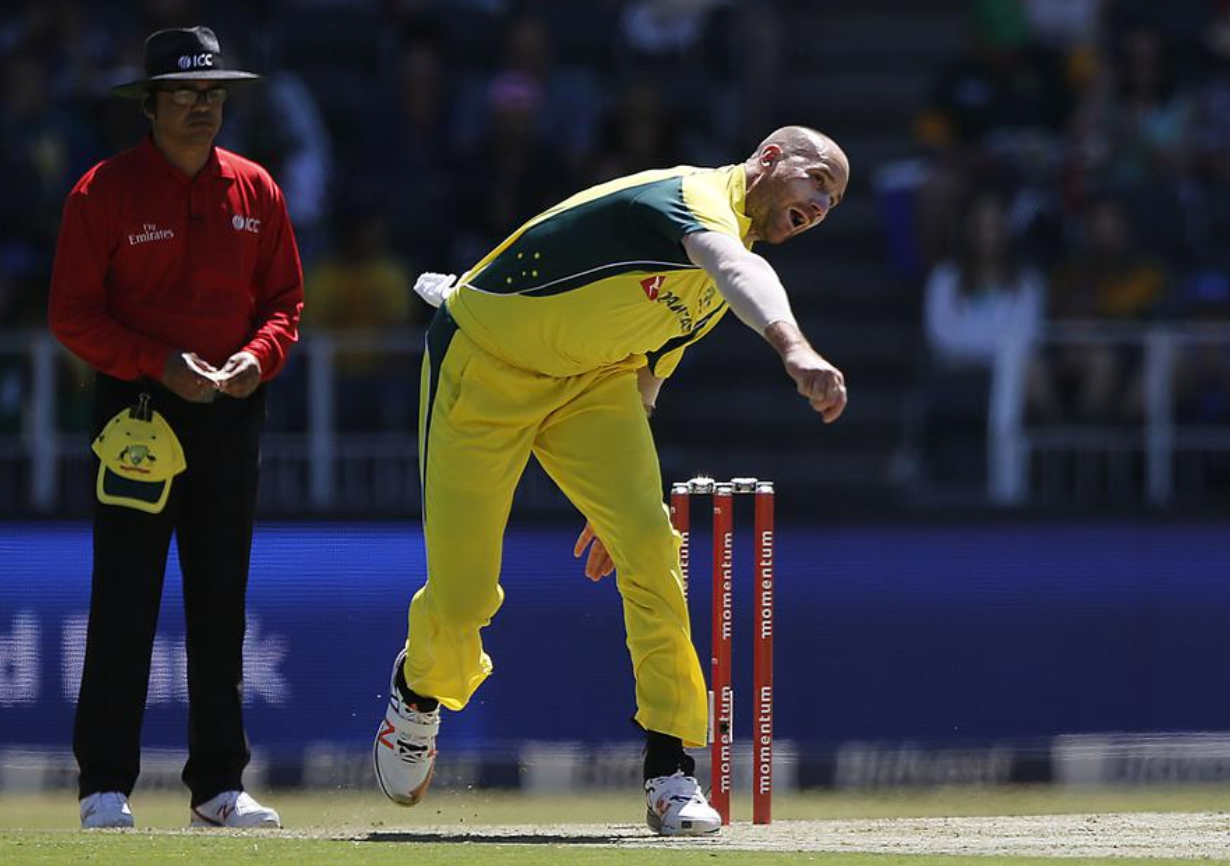
John Hastings delivered 18 balls in a 2025 World Championship of Legends T20 match. The over included 12 wides and one no-ball. This veterans’ tournament featured retired international players competing in T20 format.
The World Championship of Legends operates as a global exhibition tournament. Hastings’ over represents the most wides in an over in international cricket by count. The longest over in T20 cricket came from this legends competition rather than active international cricket.
3. Mohammad Sami: 17-ball Over
Mohammad Sami bowled 17 deliveries in a 2001 bilateral ODI against New Zealand. The over contained seven wides and four no-balls. This series match between Pakistan and New Zealand occurred during a regular bilateral tour.
The longest over in ODI cricket history came from a non-tournament match. Bilateral ODI series create different pressure compared to World Cup or Champions Trophy matches. Sami’s control breakdown occurred in a series context rather than knockout competition.
4. Curtly Ambrose: 15-ball Over
Curtly Ambrose sent down 15 balls in a 1997 Test match against Australia at WACA. The over included nine no-balls and zero wides. This bilateral Test series match featured the Frank Worrell Trophy competition.
The WACA pitch in Perth historically produces fast, bouncy conditions that challenge bowlers’ front-foot discipline. Bilateral Test cricket in Australia creates unique bowling challenges. Ambrose’s no-ball sequence came during a high-profile Test series rather than a neutral-venue tournament.
5. Daryl Tuffey: 14-ball Over
Daryl Tuffey bowled 14 deliveries in a 2005 bilateral ODI against Australia. The over contained four wides and four no-balls. This Trans-Tasman rivalry match occurred during a regular bilateral series.
New Zealand versus Australia series historically features intense competition. Tuffey’s control issues emerged during a series match rather than a World Cup or Champions Trophy context. Bilateral series between these nations create significant pressure despite non-tournament status.
6. Scott Boswell: 14-ball Over
Scott Boswell delivered 14 balls in the 2001 C&G Trophy Final at Lord’s. The over included eight wides and zero no-balls. This domestic List A final represented England’s premier limited-overs cup competition.
The C&G Trophy Final at Lord’s creates extreme pressure for county players. Domestic finals often produce higher stress than bilateral internationals for players at this level. Boswell’s wide-bowling sequence came in front of a Lord’s crowd during a showcase domestic final.
7. Naveen-ul-Haq: 13-ball Over
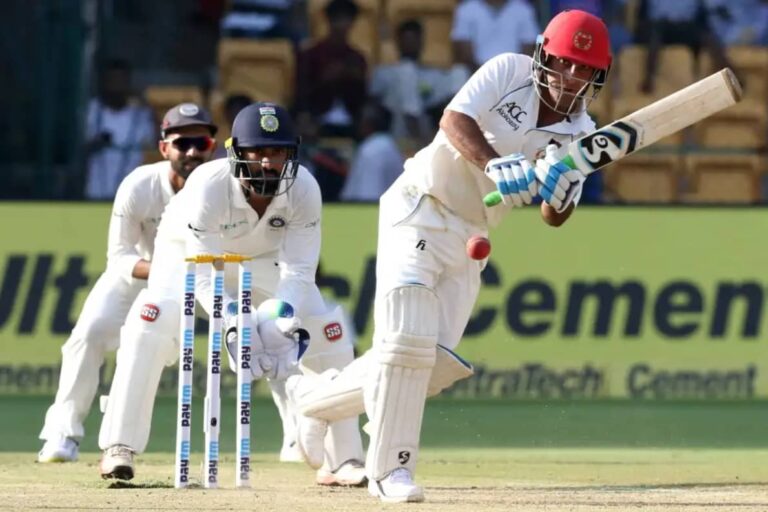
Naveen-ul-Haq bowled 13 deliveries in a 2024 bilateral T20I against Zimbabwe. The over contained five wides and one no-ball. This three-match T20I series occurred during Afghanistan’s tour of Zimbabwe.
The longest over in T20 international cricket by full-member nation bowlers came from a bilateral series context. Afghanistan versus Zimbabwe T20I series features a lower profile than major tournament matches. Naveen’s control breakdown occurred during a regular bilateral tour rather than a World Cup competition.
8. Tinashe Panyangara: 13-ball Over
Tinashe Panyangara sent down 13 balls in the 2004 ICC Champions Trophy match against England. The over included seven wides and zero no-balls. This global ODI tournament match occurred at Edgbaston during the Champions Trophy group stage.
The ICC Champions Trophy represents a major global tournament for ODI cricket. Panyangara’s sequence came against England in a tournament match rather than a bilateral series. Global tournament pressure at Edgbaston created conditions for the extended over.
9. Arshdeep Singh: 13-ball Over
Arshdeep Singh bowled 13 deliveries in the 2025 bilateral T20I against South Africa at Mullanpur Stadium. The over contained seven wides and zero no-balls. This series match occurred during India’s home bilateral series.
India versus South Africa bilateral T20I series features high-profile competition despite non-tournament status. While the longest over in IPL history involves different domestic competition contexts, Singh’s international bilateral over ranks among the longest over in t20 cricket history records. The Mullanpur venue hosted this bilateral series match.
FAQs
- Which competition type produces the most long overs?
Bilateral series matches produce five of the top nine long overs. Domestic finals contribute two entries, while global tournaments add one. Series cricket creates moderate pressure that triggers discipline breakdowns.
- Do global tournaments have fewer long overs?
Yes, only one global tournament entry appears in the top nine records. The ICC Champions Trophy in 2004 produced Panyangara’s 13-ball over. Tournament pressure typically improves bowling discipline compared to bilateral matches.
- Why do domestic finals produce extremely long overs?
Finals create winner-takes-all pressure at the domestic level. The Shell Trophy Final and C&G Trophy Final both produced extended overs. Lord’s finals and domestic championship deciders increase stress on bowlers.
- Are bilateral series more prone to long overs?
Bilateral series contributes the most entries with five total. Trans-Tasman rivalries, Pakistan-New Zealand matches, and India-South Africa series all feature. Series pressure differs from tournament elimination stakes.
- Which format dominates long over records?
ODI cricket leads with four entries, T20/T20I adds three, while first-class and Test combine for two. Limited-overs formats show a higher frequency of extended overs than multi-day cricket.
- Do venue conditions affect long overs?
Yes, WACA’s bouncy pitch contributed to Ambrose’s no-balls, while Lord’s pressure affected Boswell. Mullanpur Stadium and Edgbaston also hosted long overs. Venue characteristics influence bowling discipline.
- Has any World Cup match seen a long over?
World Cup records do not appear in the top nine longest overs. The Champions Trophy contributes one entry, but the World Cup matches show better bowling discipline overall.
- Do exhibition tournaments produce long overs?
The World Championship of Legends produced Hastings’ 18-ball over. Veterans’ tournaments and exhibition matches can trigger unusual bowling sequences due to skill decline or relaxed competition intensity.
- Which bilateral rivalry has the most long overs?
Australia features in three entries as opposition in bilateral matches. Trans-Tasman cricket, Ashes context, and Pakistan tours of Australia all contributed entries through different bowlers.
- Are domestic T20 leagues represented?
No IPL, BBL, or other franchise T20 league matches appear in the top nine. Bilateral T20Is and exhibition tournaments dominate T20 format entries instead of domestic leagues.
Conclusion:
Competition analysis shows bilateral series matches produce the most entries in the longest over in cricket history records.
Domestic finals create extreme pressure that triggers the all-time record.
Global tournaments show the best bowling discipline with minimal long overs occurrences.
Key competition patterns include:
- Bilateral series: 5 entries
- Domestic finals: 2 entries
- Global tournaments: 1 entry
- Exhibition matches: 1 entry
Format distribution favors ODI cricket with four entries, followed by T20/T20I with three total.
Test and first-class cricket combine for two entries.
Competition context determines pressure levels that affect bowling control.
Domestic finals at major venues produce the highest stress situations.
Bilateral series creates moderate pressure with mixed discipline results.
Global tournaments show superior bowling control despite higher stakes.
These patterns reveal how competition type influences bowling discipline across cricket formats.
Also Check:
- Highest MI Scores In IPL History
- Most Consecutive Toss Losses In Cricket History
- Most Unsuccessful Team In IPL History
About the Author