Cricket coaching salaries depend on match results, ICC trophy collections, and long-term consistency across tournaments.
Boards analyze win-loss ratios and tournament performance before finalizing compensation packages.
Coaches with sustained success over multiple years command higher base salaries.
In 2026, ICC trophy winners earn significantly more than coaches with strong bilateral records alone.
World Cup and WTC victories increase earning potential by 30-50% over coaches without major tournament success.
Long-term consistency in maintaining team rankings also influences contract renewals.
Match results in ICC events carry more weight than bilateral series outcomes in salary negotiations.
Boards prioritize coaches who deliver tournament wins over those with only strong home records.
Franchise leagues similarly target coaches with proven ICC tournament experience.
The highest paid cricket coaches in the world 2026 demonstrate consistent performance across multiple years and formats.
Long-term contracts reflect board confidence in sustained results rather than short-term success.
This ranking covers coaches with documented match records and tournament achievements.
Salary figures include base pay and benefits for 2026 calendar year.
The list features national team head coaches and consultants with verified earnings.
Rankings reflect total compensation from board contracts and franchise assignments.
Highest Paid Cricket Coaches in the World 2026
Top 15 Highest Paid Cricket Coaches in the World 2026
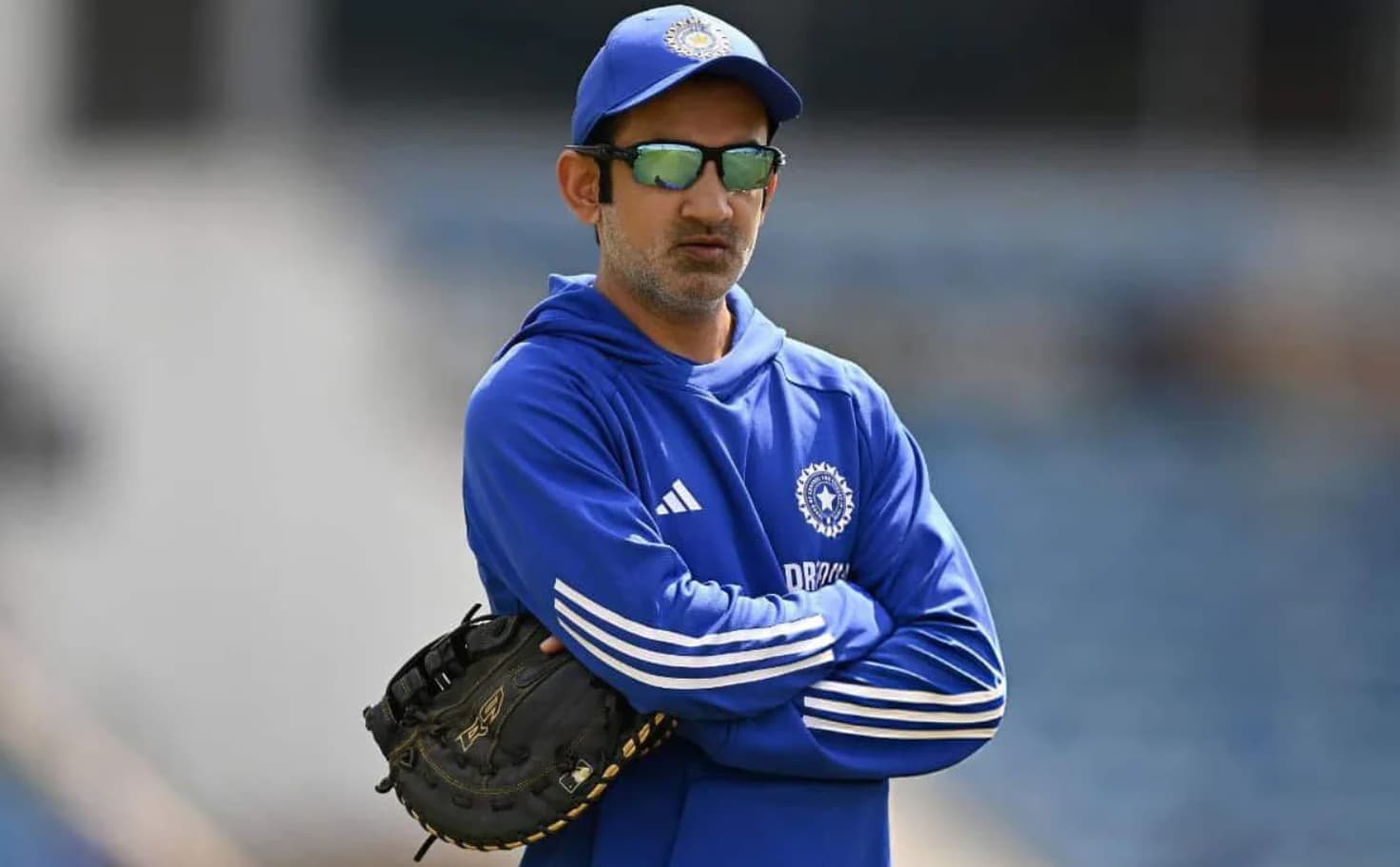
1. Gautam Gambhir (India Head Coach)
Country: India
Estimated Salary (2026): ₹12-15 crore ($1.5 million annually)
Additional Benefits: ₹21,000 daily allowance, business class travel, and accommodation
Key Achievements:
- Led Kolkata Knight Riders to IPL titles as mentor
- Known for an aggressive tactical approach
- Focus on building a fearless young batting lineup
Gambhir ranks first in this list with a salary exceeding his predecessor Rahul Dravid’s ₹12 crore package. The BCCI increased base compensation and added substantial daily allowances with travel benefits. His package reflects India’s financial dominance in world cricket.
2. Ravi Shastri (Former India Coach / Broadcaster & Mentor)
Country: India
Estimated Salary (2026): $1.4 million (combined earnings)
Key Achievements:
- India head coach 2017-2021
- Test series wins in Australia and England
- Active in IPL mentorship and commentary
Shastri continues earning through multiple revenue streams after leaving the national team role. His IPL commentary contracts, franchise mentorships, and endorsement deals maintain his position among top earners. Broadcasting networks pay premium rates for his analysis.
3. Brendon McCullum (England Test Coach)
Country: England
Estimated Salary (2026): $1 million annually
Key Achievements:
- Transformed England’s Test cricket with an aggressive approach
- Won multiple Test series since 2022
- Highest scoring rate in Test cricket history
McCullum’s “Bazball” revolution justified salary increases from the ECB. England’s entertainment-focused cricket attracts sponsors and viewers, validating his methods. His package includes performance incentives tied to series victories.
4. Andrew McDonald (Australia Head Coach)
Country: Australia
Estimated Salary (2026): $900,000 annually
Key Achievements:
- WTC 2023 title
- ODI World Cup 2023 victory
- Consistent performance across formats
McDonald maintains Australia’s winning tradition with balanced tactical planning. Cricket Australia values his ability to manage different-format squads simultaneously. His salary reflects Australia’s investment in sustained excellence.
5. Gary Kirsten (League & Consultant Roles)
Country: South Africa
Estimated Salary (2026): $850,000 annually
Key Achievements:
- 2011 World Cup winner with India
- Active in IPL franchise coaching
- High-demand international consultant
Kirsten earns primarily through franchise cricket and short-term consultancy contracts. IPL teams pay substantial fees for his expertise in tournament preparation. His reputation commands premium rates across global leagues.
6. Gary Stead (New Zealand Head Coach)
Country: New Zealand
Estimated Salary (2026): $650,000 annually
Key Achievements:
- WTC 2021 champions
- Competitive results with limited resources
- Strong player development record
Stead’s salary is among the highest in cricket coaches’ annual salary rankings despite New Zealand’s smaller budget. NZC Cricket prioritizes coaching investment to compete against wealthier boards. His contract extension reflected consistent tournament performances.
7. Matthew Mott (England White-Ball Coach)
Country: England
Estimated Salary (2026): $550,000 annually
Key Achievements:
- ODI and T20I squad management
- Experience with Australian women’s team
- White-ball tactical specialist
Mott handles England’s limited-overs formats separately from McCullum’s Test role. The ECB splits coaching responsibilities and compensates each specialist accordingly. His salary includes ICC tournament performance bonuses.
8. Chandika Hathurusingha (Bangladesh Head Coach)
Country: Bangladesh
Estimated Salary (2026): $500,000 annually
Key Achievements:
- Improved Bangladesh ODI rankings
- Aggressive coaching methodology
- Previous experience with Sri Lanka
Hathurusingha’s return to Bangladesh was accompanied by increased compensation, reflecting the board’s growth. BCB invests in experienced coaches to boost competitive standing. His package includes accommodation and family relocation support.
9. Mark Boucher (South Africa Head Coach)
Country: South Africa
Estimated Salary (2026): $480,000 annually
Key Achievements:
- Former Test wicketkeeper
- Rebuilding South African cricket structure
- Focus on youth development
Boucher’s salary represents Cricket South Africa’s commitment to stability amid financial challenges. His playing career enhances credibility with current squad members. The board values his long-term rebuilding approach.
10. Jonathan Trott (Afghanistan Head Coach)
Country: Afghanistan
Estimated Salary (2026): $450,000 annually
Key Achievements:
- Upset victories in the 2023 World Cup
- Improved batting consistency
- Tournament preparation specialist
Trott elevated Afghanistan’s global standing with strategic planning and mental conditioning. The Afghanistan Cricket Board increased its salary after World Cup success. His contract reflects Afghanistan’s rising cricket economy.
11. Mickey Arthur (Pakistan Team Director)
Country: Pakistan
Estimated Salary (2026): $420,000 annually
Key Achievements:
- 2017 Champions Trophy with Pakistan
- Multiple international coaching roles
- Team management expertise
Arthur operates as team director rather than head coach but commands high compensation. The PCB values his experience across different cricket cultures. His role includes strategic oversight beyond daily coaching.
12. Chris Silverwood (Sri Lanka Head Coach)
Country: Sri Lanka
Estimated Salary (2026): $380,000 annually
Key Achievements:
- Former England head coach
- Working on Sri Lankan cricket rebuilding
- Experience across formats
Silverwood’s salary reflects Sri Lanka Cricket’s investment in experienced international coaches. His package is modest compared to top earners but competitive within regional standards. The board prioritizes stability over short-term results.
13. Phil Simmons (West Indies Consultant)
Country: West Indies
Estimated Salary (2026): $320,000 annually
Key Achievements:
- 2016 T20 World Cup victory
- Experience with multiple teams
- White-ball cricket specialist
Simmons works in a consultant capacity after stepping down from full-time coaching. Cricket West Indies maintains relationships with proven coaches through flexible contracts. His earnings include league coaching assignments.
14. Rob Walter (South Africa White-Ball Coach)
Country: South Africa
Estimated Salary (2026): $290,000 annually
Key Achievements:
- Specialized white-ball tactician
- Franchise cricket experience
- Modern analytical approach
Walter handles South Africa’s limited-overs teams separately from Test cricket. CSA invested in format-specific coaches to improve tournament results. His salary reflects growing importance of white-ball cricket.
15. Lalchand Rajput (Zimbabwe Head Coach)
Country: Zimbabwe
Estimated Salary (2026): $270,000 annually
Key Achievements:
- Maintaining Zimbabwe’s competitive edge
- Limited resource management
- Player development focus
Rajput’s salary is modest by international standards but significant for Zimbabwe Cricket. His compensation reflects the board’s smaller financial capacity. The contract demonstrates Zimbabwe’s commitment to professional coaching.
ICC Cricket Coaches Salary: ICC Success, Win Percentage, and Tournament Impact
ICC trophy winners earn $800,000-$1.5 million annually compared to $400,000-$700,000 for coaches without major titles.
World Cup victories add a 35-50% premium over base salaries. WTC and Champions Trophy wins increase compensation by 25-35%.
Win percentage directly impacts contract renewals and salary negotiations. Coaches maintaining 60%+ win rates across formats earn $650,000-$1.5 million annually.
Those with 50-60% win rates receive $400,000-$650,000. Coaches below 50% win percentage earn $250,000-$450,000 on average.
Tournament impact measures performance in ICC events versus bilateral series. Andrew McDonald’s 2023 World Cup and WTC victories justify $900,000 salary.
Gary Kirsten’s 2011 World Cup success maintains $850,000 earning power through consultancy roles.
Coaches with knockout stage appearances in ICC tournaments earn 20-30% more than those eliminated in group stages.
Semi-final and final appearances trigger performance bonuses ranging from $75,000-$200,000.
Tournament impact carries more weight than bilateral series records in salary structures.
Future Trends in Cricket Coaching Compensation
Results-based contracts are becoming standard across international cricket boards by 2026.
Base salaries now represent 60-70% of total compensation, with performance bonuses tied to match outcomes.
ICC tournament results trigger additional payments of 15-40% above base pay.
IPL franchises structure contracts with 50% base pay and 50% performance incentives linked to tournament placement. Teams finishing in the top 4 trigger full bonus payments.
Head coaches earn $200,000-$400,000 base with equal performance components.
ILT20 and MLC adopt similar results-based structures for coaching contracts. League positions determine final compensation, with last-place finishes reducing total pay by 30-40%.
Tournament winners receive a 50% bonus above contracted amounts.
Board contracts increasingly include ICC tournament performance clauses. World Cup and WTC qualification failures can reduce salaries by 20-25% in renewal negotiations.
Consistent results across multiple ICC cycles now determine long-term contract security.
Conclusion:
The list of the top 10 highest earning cricket coaches in the world shows match results and ICC trophies drive compensation structures.
Gautam Gambhir’s ₹12-15 crore package reflects BCCI’s focus on tournament success and team consistency.
Coaches with World Cup victories earn 35-50% more than those without major ICC titles.
Win percentages and tournament impact determine salary levels more than coaching experience alone.
Andrew McDonald’s $900,000 package reflects WTC and World Cup victories.
Gary Kirsten maintains $850,000 earnings based on 2011 World Cup credentials despite limited recent board roles.
The highest paid cricket coaches in the world 2026 demonstrate sustained results across multiple tournaments and formats.
Results-based contracts now dominate compensation structures with 30-50% of total pay tied to performance outcomes.
This model will expand as IPL, ILT20, and MLC influence board contract negotiations.
Cricket coaching salaries increasingly favor proven tournament winners over coaches with strong bilateral records only.
ICC success and win percentage metrics determine contract values and renewal terms.
The profession rewards coaches who deliver results in high-pressure tournament environments consistently.
Also Check:
- Most Expensive Player in IPL 2026
- Richest IPL Team
- Batsmen with Most Sixes in Test
- Players With Most Sixes In ODI Cricket
- Shortest Cricketers In The World
About the Author