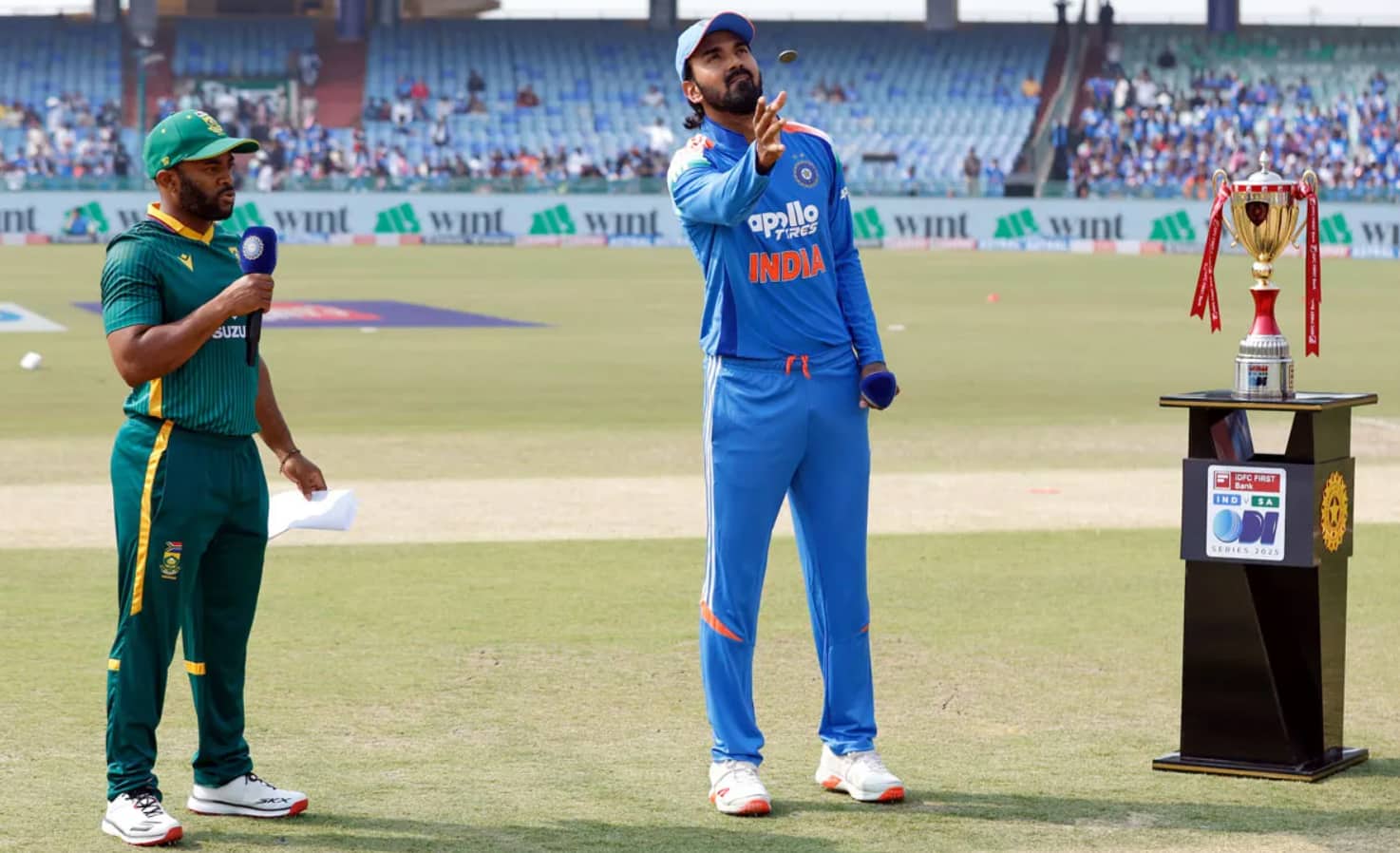
Every cricket match begins with a simple ritual. Two captains meet at the center. A coin goes up in the air. One calls the result.
This moment matters more than many fans realize. The winner chooses batting order. They pick the first innings or second innings based on conditions.
Pitch conditions vary by venue. Weather plays a role. The dew factor affects evening matches. These variables make the toss valuable.
Winning the toss gives teams an advantage. Not always decisive, but helpful. Some venues favor batting first. Other grounds suit chasing targets.
But some teams face extended periods without this advantage. They lose toss after toss. Match after match, the coin goes against them.
How long can bad luck continue? How many consecutive losses can one team face? The most consecutive toss losses in cricket history answer these questions.
Cricket statistics track everything. Runs, wickets, catches, and yes, tosses. The data shows which teams struggled most with this basic ritual.
Some streaks involved single captains. Others saw multiple leaders face the same problem. Some occurred in specific formats. Others spread across different match types.
Most Consecutive Toss Losses In Cricket History
The numbers reveal patterns in randomness. Mathematical probability meets actual cricket history. Statistical anomalies become documented records.
Why Toss Matters in Different Cricket Formats?
The coin toss plays different roles across cricket formats. Each format has a unique importance attached to this simple ritual.
In ODI cricket, the toss decides batting conditions. Teams prefer chasing targets in day-night matches. The dew factor becomes critical in the second innings.
Test cricket gives more importance to pitch conditions. Winning the toss means choosing when to bat. Fresh pitches suit batting first. Wearing pitches favors bowling.
T20I cricket makes the toss crucial for setting totals. Short games mean every advantage counts. Teams winning the toss often choose to chase.
The format determines how much the toss impacts results. But what happens when teams keep losing tosses?
Most Consecutive Toss Losses In ODI Cricket
ODI cricket holds the longest toss-losing streaks in history. The 50-over format has seen remarkably bad luck runs.
India tops this list with 20 consecutive toss losses. This happened between November 23 and December 12, 2025. All losses came in ODI matches only.
The streak covered series against South Africa, Sri Lanka, England, and Australia. It also included the Champions Trophy 2025.
How many toss India lost in a row? The answer is 20, all in ODI format. This is the most consecutive toss losses in ODI cricket ever recorded.
West Indies came second with 12 straight losses in 1999. Brian Lara was captain throughout. The streak ran from February 2 to April 21.
Netherlands holds third position with 11 consecutive losses in 2023. Peter Borren led the team during this period. The streak lasted from January 27 to September 13.
These three teams make up the top ODI toss-losing records.
ODI Toss Loss Rankings
| Rank | Team | Consecutive Losses | Year | Captain(s) | Probability |
|---|---|---|---|---|---|
| 1 | India | 20 | 2025 | Rohit Sharma, Shubman Gill, KL Rahul | 1 in 1,048,576 |
| 2 | West Indies | 12 | 1999 | Brian Lara | 1 in 4,096 |
| 3 | Netherlands | 11 | 2023 | Peter Borren | 1 in 2,048 |
India’s 20-loss streak is the longest in any single format. The gap between first and second place is eight tosses.
The most toss losing team in cricket for the ODI format is India. Their record nearly doubled the previous mark set by the Netherlands.
Most Consecutive Toss Loss In Test Cricket
Test cricket shows fewer pure toss-losing streaks. Most long streaks in Tests mix with other formats.
England’s 11-toss streak included Test matches. The run started with the third Test against Pakistan in Karachi on December 17, 2022.
England’s streak covered three Tests against Pakistan and South Africa. Jos Buttler and Ben Stokes shared captaincy during this period.
However, England’s Test losses were part of their multi-format streak. They were not Test-only losses.
New Zealand recorded 10 consecutive losses from 1972 to 1973. This streak covered both Tests and ODIs. Bevan Congdon and Graham Dowling were captains.
The most consecutive toss loss in Test cricket as part of a streak belongs to England’s 2022-23 run. But no team has recorded 10+ losses in Test cricket alone.
Test Cricket Toss Loss Data
| Team | Losses (Part of Mixed Streak) | Period | Captains |
|---|---|---|---|
| England | 11* | Dec 2022 – Mar 2023 | Jos Buttler, Ben Stokes |
| New Zealand | 10* | Feb 1972 – Jun 1973 | Bevan Congdon, Graham Dowling |
*Mixed format streaks, including Test matches
Test cricket does not have standalone long streaks. The format’s longer duration means fewer matches happen in short periods.
Teams play fewer Test matches per year compared to ODIs. This reduces the chances of long consecutive toss losses.
Most Consecutive Toss Losses In Cricket History T20
T20I cricket is the newest format. It has the shortest history of toss records.
England’s 11-toss streak included T20I matches. Five losses came during Bangladesh’s T20I clean sweep in March 2023.
The most consecutive toss losses in cricket history T20, were part of England’s multi-format run. Jos Buttler led the team through most T20I losses.
England lost the toss against Bangladesh in all five T20I matches. This happened between March 9 and March 12, 2023.
No team has recorded a T20I-only streak longer than five matches. The format is too new for extreme records.
Vanuatu recorded 10 consecutive losses across various formats. Some included T20I matches. Joshua Rasu and Ronald Tari were captains between July 2023 and August 2024.
T20I Toss Loss Data
| Team | T20I Losses (Part of Streak) | Year | Context |
|---|---|---|---|
| England | 5 | 2023 | Part of an 11-loss mixed streak |
| Vanuatu | 10* | 2023-24 | Mixed international matches |
*Exact T20I breakdown not specified
T20I cricket lacks standalone long streaks. Most losses are part of broader multi-format runs.
Which Format Shows the Longest Streaks?
ODI cricket clearly dominates toss-losing records. The top three longest streaks all happened in the ODI format.
India’s 20 losses were purely ODI. West Indies’ 12 losses were all ODI matches. The Netherlands’ 11 losses happened in ODI cricket only.
Test cricket shows no standalone streaks above 10 losses. Mixed-format runs include Tests, but no Test-only long streaks exist.
T20I cricket has even shorter records. The format is newer and has fewer matches overall.
Format Comparison
| Format | Longest Streak | Team | Year | Pure Format or Mixed |
|---|---|---|---|---|
| ODI | 20 | India | 2025 | Pure ODI |
| ODI | 12 | West Indies | 1999 | Pure ODI |
| ODI | 11 | Netherlands | 2023 | Pure ODI |
| Mixed | 11 | England | 2022-23 | Test + ODI + T20I |
| Mixed | 10 | New Zealand | 1972-73 | Test + ODI |
| Mixed | 10 | Vanuatu | 2023-24 | Various formats |
ODI format has three of the top four longest streaks. This shows 50-over cricket produces the most extreme toss luck patterns.
The reason is simple. Teams play more ODIs than Tests. More matches mean more chances for long streaks.
T20I cricket is too new. Long statistical anomalies need time to develop.
Teams That Struggled Most in ODI Format
India, West Indies, and Netherlands dominate ODI toss-losing records. These three teams faced the worst luck in 50-over cricket.
India’s 20-loss streak is unprecedented. It started in November 2025 and lasted until December 2025.
Rohit Sharma lost 12 consecutive tosses. This makes him the most toss losing captain in international cricket, along with Brian Lara.
West Indies’ 1999 streak came during tough tours. They faced South Africa and Australia. The 5-0 whitewashes happened despite toss losses.
Netherlands faced their streak during important matches. World Cup qualifiers, warm-ups, and bilateral series all saw toss losses.
Captain-Wise ODI Toss Losses
| Captain | Team | Consecutive Losses | Matches Won Despite Losses |
|---|---|---|---|
| Rohit Sharma | India | 12 | Won Champions Trophy 2025 |
| Brian Lara | West Indies | 12 | Lost most matches |
| Peter Borren | Netherlands | 11 | Mixed results |
India proved that ODI toss losses don’t mean match losses. They won the Champions Trophy despite never winning a toss.
West Indies struggled more during their run. The combination of toss losses and strong opponents created problems.
Netherlands showed resilience during World Cup preparation. They qualified despite the toss disadvantage.
Understanding the Probability Factor
The Most Consecutive Toss Losses In Cricket History happened in ODI cricket. India’s 20-loss record has a 1 in 1,048,576 probability.
This number is extraordinary. It means flipping a coin over one million times to see this pattern once.
West Indies faced 1 in 4,096 odds. England and the Netherlands had 1 in 2,048 chances. New Zealand and Vanuatu faced a 1 in 1,024 probability.
India’s streak is 256 times rarer than the West Indies’ record. The mathematical gap is massive.
Conclusion:
ODI cricket produces the longest toss-losing streaks in cricket history. The top three records all come from 50-over matches.
Test cricket shows no pure format streaks above 10 losses. Mixed-format runs include Tests, but the format itself doesn’t create extreme patterns.
T20I cricket is too new for long records. The format needs more time to develop statistical anomalies like India’s 20-loss streak.
India holds the overall record with 20 consecutive ODI losses. This is the Most Consecutive Toss Losses In Cricket History across all formats.
Teams continue winning matches despite toss losses. India won the Champions Trophy 2025. England maintained competitive cricket during their 11-loss run.
The toss matters but does not determine outcomes. Format-wise analysis shows ODI cricket creates the most extreme luck patterns. However, team skill overcomes toss disadvantage in all formats.
Also Check:
- CSK Ka Baap Kaun Hai
- Richest IPL Team
- IPL Winning Captains List 2008 to 202
- IPL 2026 Trade Players List
- RCB Full Form in IPL
- Most Unsuccessful Team In IPL History
- RCB Ka Baap Kaun Hai
About the Author